


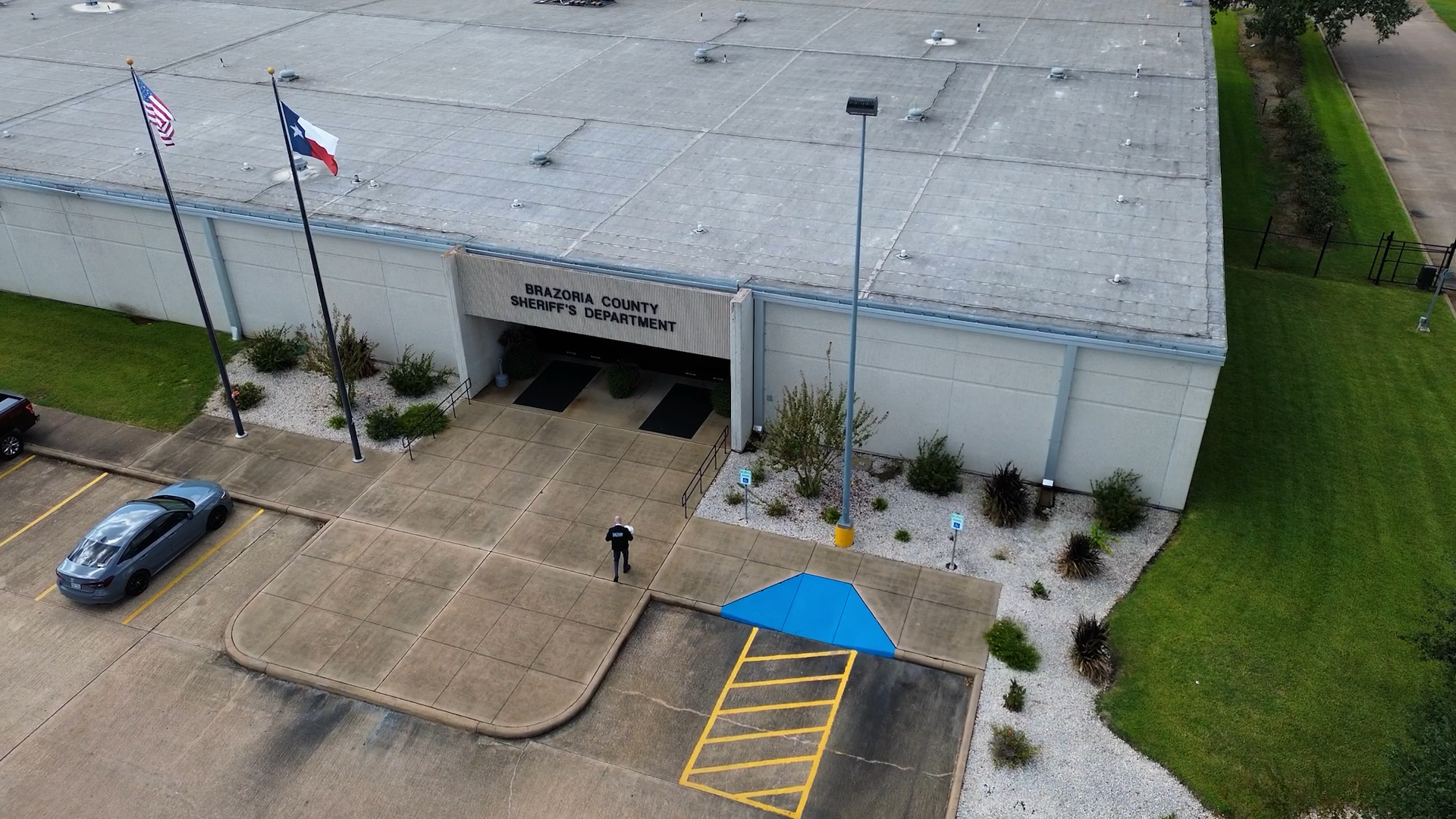
Brazoria County Sheriff’s Office: Transforming Digital Forensics Through Innovation
Fingerprints and DNA have historically been the critical evidence sources prosecutors rely on when bringing cases to court. And they are still highly important. However, as caseloads grow and time-is-of the-essence crimes like child abduction and sex trafficking increase, evidence gleaned from cell phones, computers and other electronic devices is quickly becoming the source investigators turn to first. The reason is simple: everyone owns a cell phone and with the right tools and training, digital forensic experts are far better equipped to expedite time to evidence and accelerate justice.
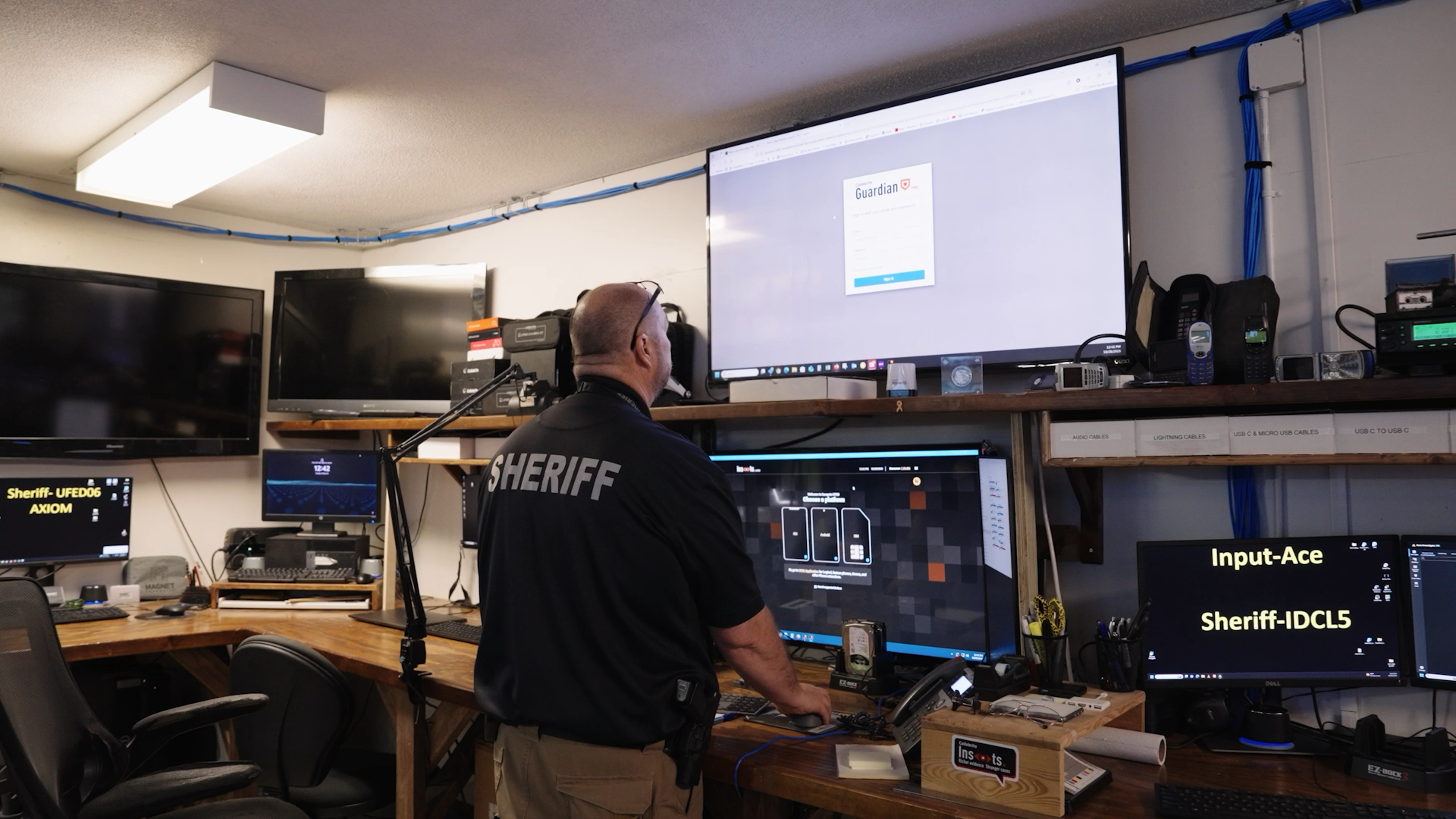 The growing use of digital evidence has also led to increased plea deals and faster case resolutions because defendants can’t deny the facts. As Kent Nielsen, Lab Director / Digital Forensics Investigator for the Brazoria County Sheriff’s Office in Texas describes recently, “Once we get the phone and process it, [you can begin to build a compelling case]. The suspect mostly knows what’s on their phone. When you have it in black and white, and can display those actual messages, it’s hard not to take a plea deal when you don’t want that information [put] before a jury.”
Building the modern technological infrastructure needed to retrieve evidence from suspects’ devices takes time, investment and support, three building blocks Kent Nielsen has developed over his many years as a digital investigator with significant backing from the Sheriff’s Office.
Building the Right Lab
Like many of his colleagues, Nielsen began his career in the corporate world working first for MCI and finishing up as the Senior Director of Information Services for AT&T Broadband. This experience provided him with a unique perspective on technology that would prove invaluable when he transitioned to law enforcement. Today, after 22 years with the sheriff’s office and 18 years working as a member of the Crime Scene Unit and establishing the Digital Forensics Lab, Nielsen has transformed what was once a non-existent capability into a sophisticated digital forensics operation that serves not only Brazoria County but agencies throughout Texas.
“When I started in the crime scene unit, the digital forensics lab didn’t exist,” Nielsen recalled. “Digital forensics was fairly new at the time. Because I had a background with computers from my corporate days, they basically said ‘tag, you’re it’ – and all the digital evidence came my way.”
Initially, Nielsen would drive an hour and 15 minutes to the FBI’s Regional Computer Forensics Lab in Houston (GHRCFL) to process cellphones, spending entire days there processing or reviewing data. After calculating the accumulated costs in time and resources, the department made a pivotal decision: Bring the capability in-house and invest in Cellebrite technology.
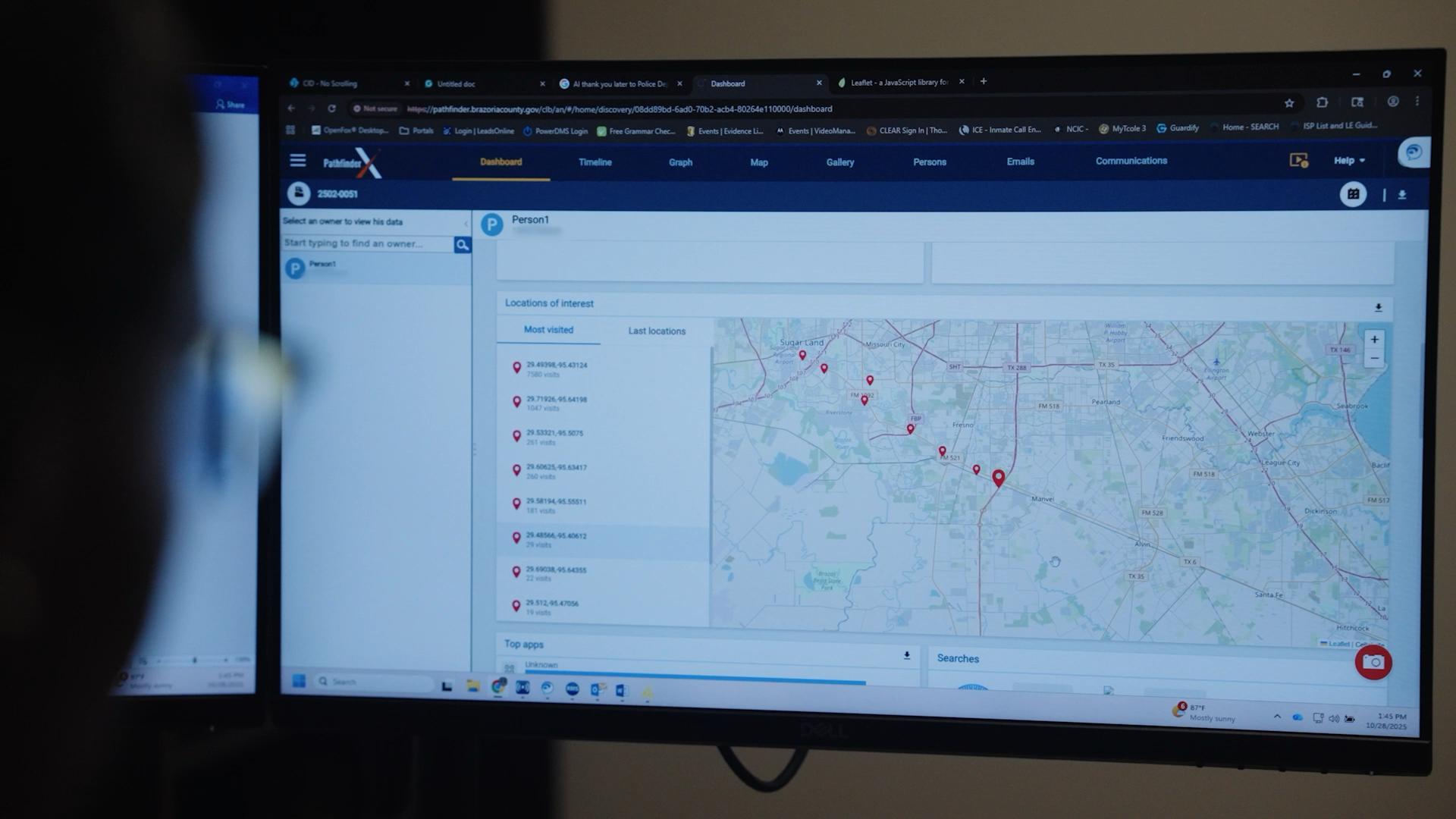
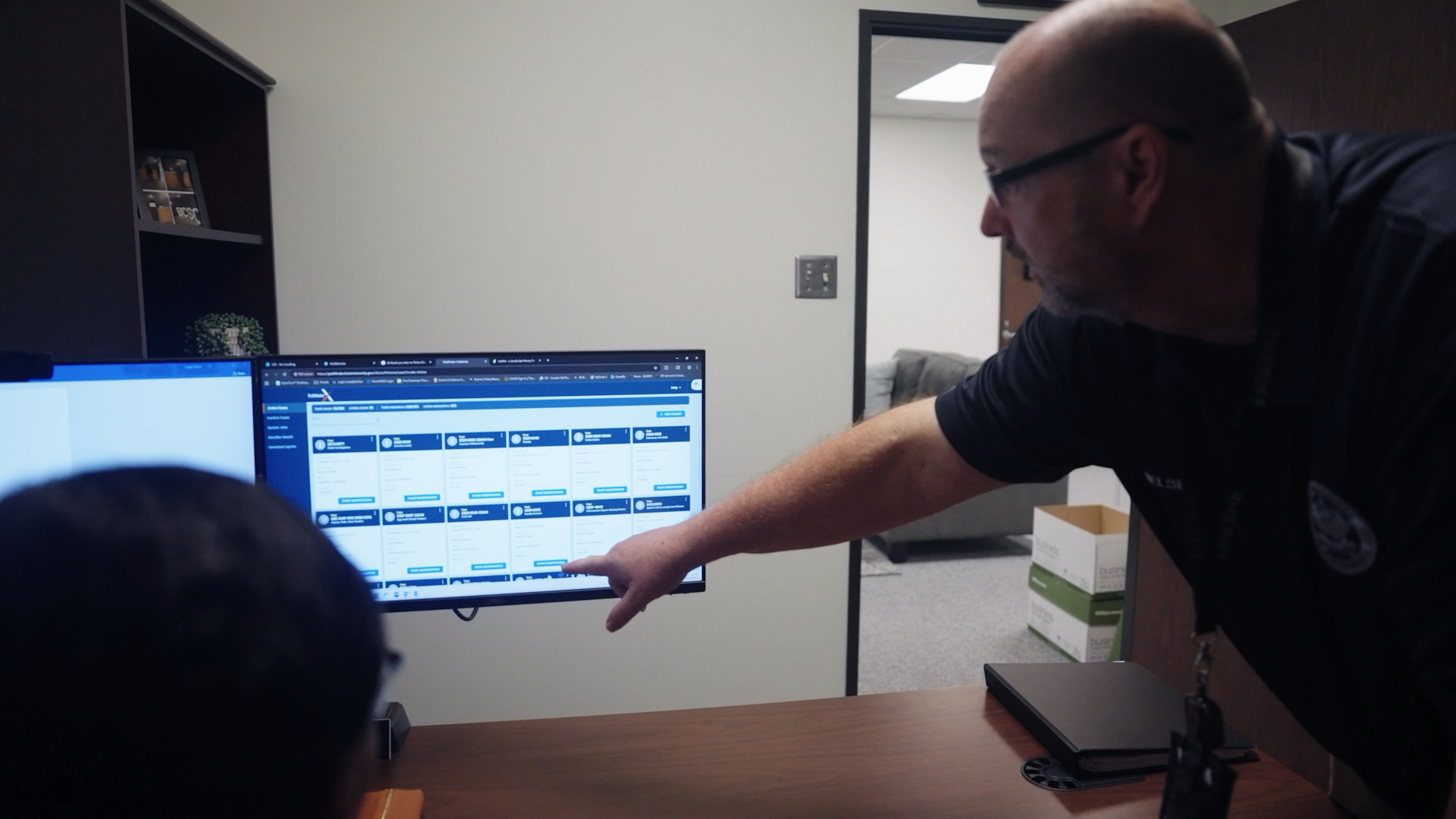
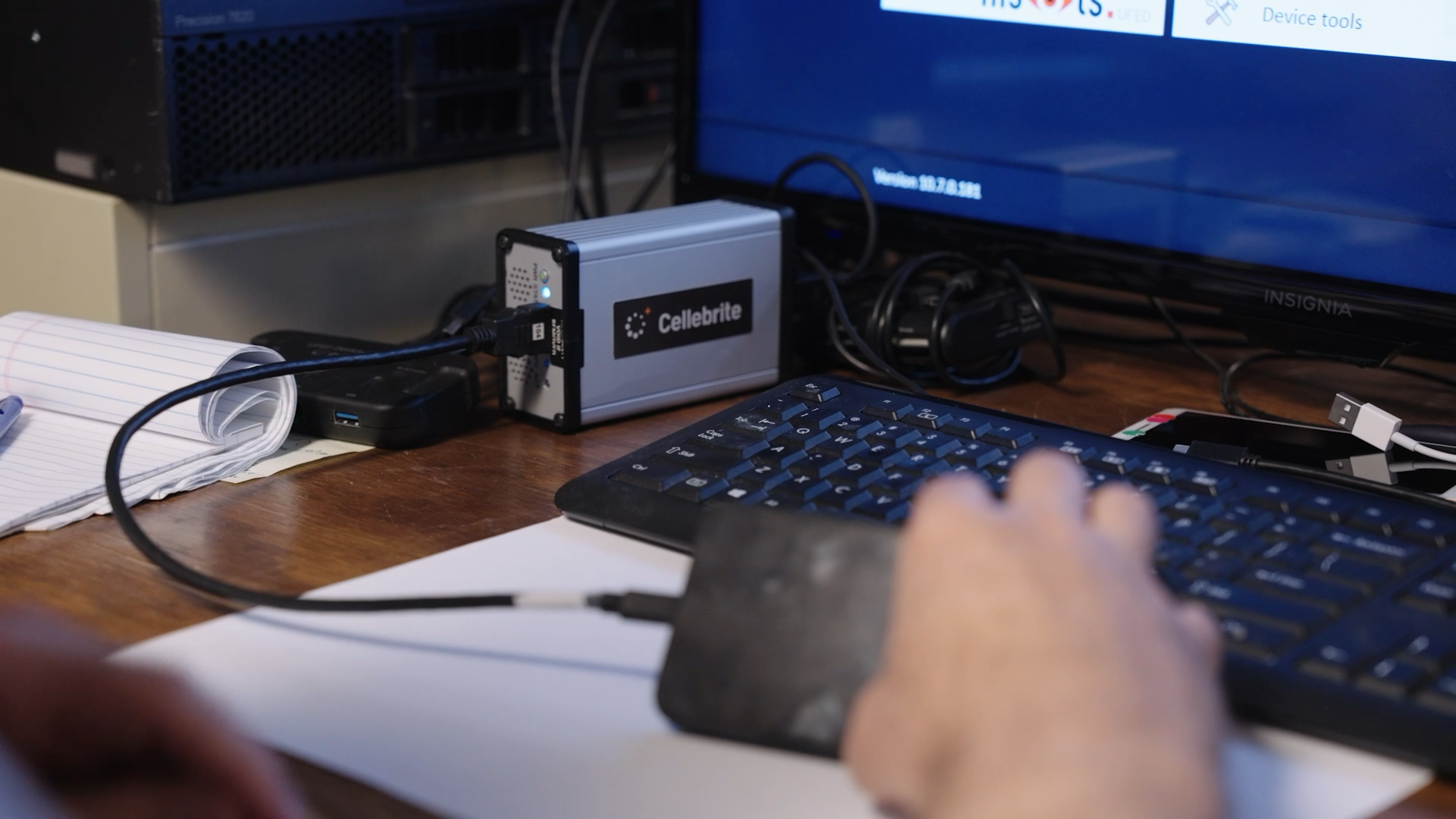
Today, the Brazoria County lab processes approximately 215 devices each year, while performing 1,140 different extraction types. They also conduct field triage on 75 to 100 additional devices and open their lab up to other agencies, which investigate an additional 25 to 30 devices annually through collaborative partnerships.
Being able to handle this much workload while assisting outside agencies with just two other employees (Nielsen has a Digital Evidence Coordinator who handles the intake and return of devices & Digital Evidence submissions to the DA’s Office, and a Digital Forensic Examiner, who handles digital device extractions) is only possible with the help of modern technology, but it hasn’t always been that way.
Three Tools That Changed Everything
In the days before the lab was upgraded to where it is today, Nielsen had to manually manage his digital evidence locker the same way many agencies still do today—with spreadsheets. “We were tracking things basically in an Excel spreadsheet,” Nielsen began. “Keeping up with that spreadsheet was just a nightmare.” Implementing three Cellebrite solutions has greatly streamlined Nielsen’s workflow, making Brazoria’s digital investigations far more efficient and productive.
- Cellebrite Inseyets: Integrating Cellebrite Inseyets marked a significant step forward in upgrading the lab’s capabilities. “Inseyets has made it so there are more things automated for us,” Nielsen explained. “I’m not a full fan of complete automation – I still like to have some hands-on control. We use probably 50 to 75 percent of the automated features, especially on the Premium side where we can select all the extractions at once and come back when they’re finished.”
The new features in Inseyets Physical Analyzer have been particularly transformative. “They’re taking it over the top for us,” Nielsen notes. “It’s really starting to take the data and make it so the investigator doesn’t have to do nearly as much legwork. A lot of the time-consuming work is done [automatically], and they can get right down to the nuts and bolts of the information.”
- Pathfinder: Perhaps no tool has had a more dramatic impact on the lab’s efficiency than Cellebrite Pathfinder. In cases involving multiple devices – sometimes 10 or more phones in a single investigation – Pathfinder has fundamentally changed how Brazoria’s investigators work.
“If you reviewed each phone on its own with the UFED Reader right out of Inseyets, you would have to open each one individually,” Nielsen explained. “Depending on your computer equipment, that can take up to an hour to open. So you’ve got that time involved, plus the time to go through it [the phone], then [you have to] close that one and open another.”
Pathfinder eliminates these bottlenecks by allowing investigators to view all devices simultaneously. “You can say, ‘OK, this device doesn’t have any information on it,’ click to hide it and move on. The time savings from not having to open individual extractions, combined with being able to view all the data at once and narrow it down to exactly what you’re looking for is transformative.”
- Guardian: Before implementing Cellebrite Guardian, cases would be moved between spreadsheet columns for processing, completion, repairs and final reporting, requiring constant manual updates that were prone to errors.
“Guardian made it so we can go into any phone, click a status and say ‘phone needs to be repaired, we’re waiting on parts,'” Nielsen explained. “I can search for what phones need repairs, what’s being processed and where they are in the lab. It’s been a huge help.”
Guardian now serves as the central hub for all digital evidence management. Nielsen’s digital evidence coordinator handles intake through the investigator portal, and Guardian tracks each device through the entire forensic process. The lab can generate reports showing processing volumes, track individual examiner workloads, and maintain the chain of custody – all from a single platform.
Key Benefits
Working together, these Cellebrite solutions set the table for success by allowing investigators to:
- Automate manual actions to save time and money while reducing the possibility of human errors when data is input
- Place key information at the investigator’s fingertips
- Tag important information for collaboration & quick recall at a later date
- Review multiple phones at the same time
- Reduce backlogs and free up bandwidth to tackle more cases
- Prioritize the most critical work and drive better closure rates
- Get evidence to investigators faster (especially critical when you have limited time to hold a suspect)
- Reduce bandwidth constraints and the risk of missing relevant data
- Build stronger cases with more complete evidence – including the full file system
- Leverage containerized applications, encrypted information including geolocation and social data
- Increase personnel effectiveness and satisfaction with their work
- Help teams manage their workload in the face of rapidly evolving technology and crime trends
Thwarting Human Traffickers With Digital Technology
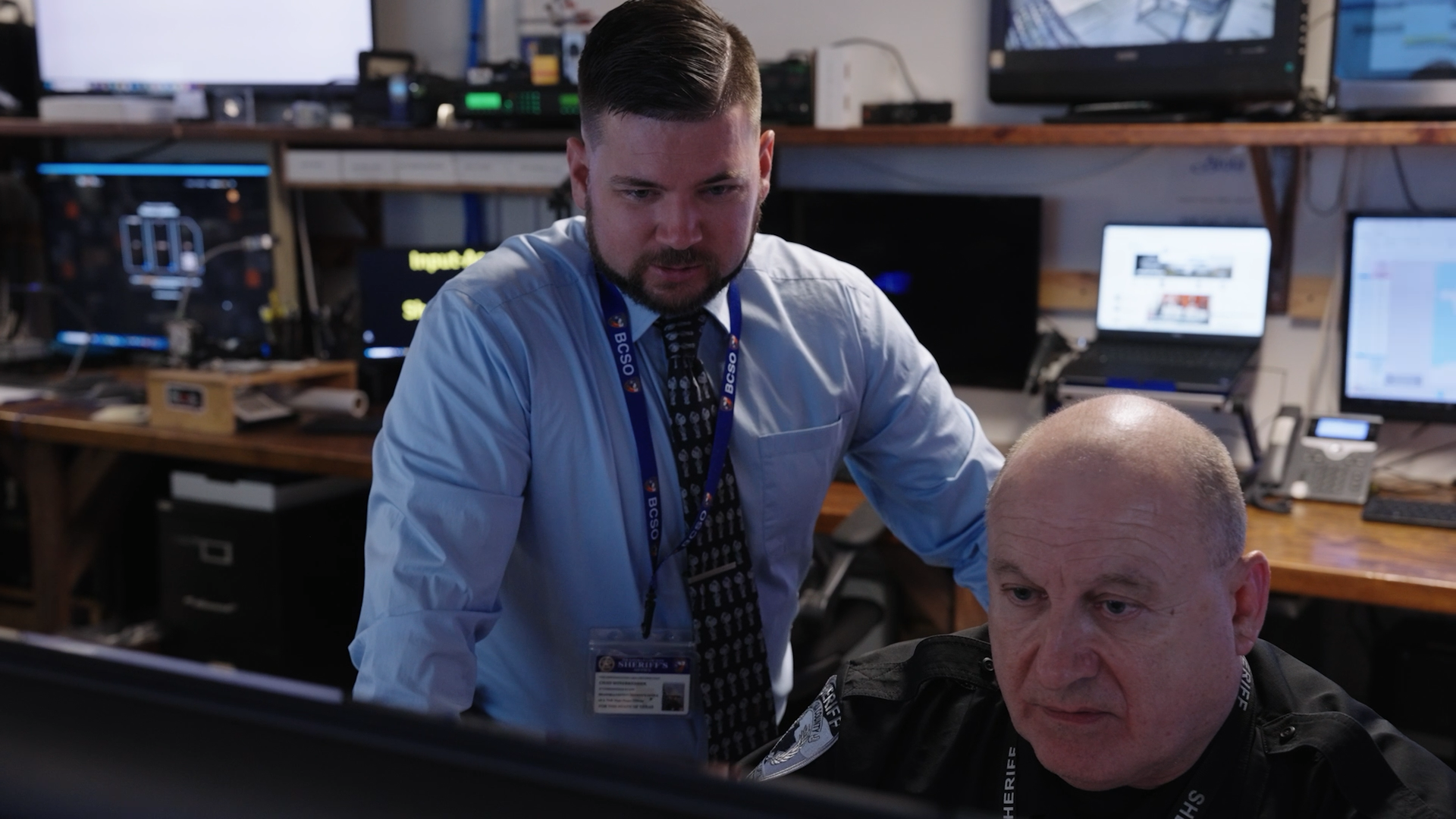 Cellebrite has a long history of working with national crime prevention organizations like the National Center for Missing & Exploited Children (NCMEC) and by donating AI investigative tools to nonprofit organizations like The Exodus Road. These groups are in a constant battle to stay ahead of human traffickers and sexual predators who are highly skilled at hiding their nefarious deeds behind encrypted messages.
In a case reported by the Associated Press in 2024, “the Brazoria County Sheriff’s Office used Cellebrite technology to aid a multi-agency Operation Interception to help rescue children being trafficked, when many visited the area during the College Football Playoff national championship that was held in nearby Houston….Nielsen said seven girls were rescued and 23 arrests were made.”
In the AP article, Neilsen credits Cellebrite technology as being critical in analyzing data to find potential leads. “The system really helps us with doing our jobs faster,” said Nielsen, adding that one smartphone could contain more than 250,000 images to process.
“Rather than having an investigator look through those images and sort them, Cellebrite’s Pathfinder software can handle it, while also linking them to locations, as well as other data from other smartphones or other cases.”
Supporting Smaller Agencies and Building Community Partnerships
Understanding that smaller agencies often lack the budget for sophisticated digital forensics capabilities, Brazoria County has become a regional resource. “We open up our lab for other agencies to bring devices and use our software and equipment,” Nielsen said. The lab is also exploring using Guardian’s cloud capabilities to support remote agencies more than an hour away, whose computers often can’t handle large UFED extractions.
“Some of these agencies can’t afford a $4,000 or $5,000 computer with good memory and hard drive space to open extractions that can push a terabyte of data,” Nielsen explained. “It’s not in their budget or priorities. The new features in Guardian’s reader are what pushed me to make this available to our smaller agencies.”
The Power of Digital Evidence in Modern Investigations
Nielsen has witnessed firsthand how digital evidence has become as crucial as traditional evidence sources in solving crimes. “The nice thing about digital evidence is that when no DNA or fingerprints are found, there is usually digital evidence. Most people have a device, and they store a lot of information on it.”
Gleaning evidence from these devices has led to increased plea deals and faster case resolutions because defendants can’t refute the hard evidence that is found on their phones.
Embracing AI While Maintaining Human Oversight
The lab is also taking advantage of the latest AI capabilities, particularly in Pathfinder’s image classification for Internet Crimes Against Children (ICAC) investigations. “Pathfinder’s image classification works wonderfully,” Nielsen noted, praising the integration of NCMEC hash databases that help identify known illegal content immediately.
As helpful as AI can be, however, Nielsen is quick to emphasize the importance of human oversight. “AI is only as good as the human input to tell it what to do and the human review after it does its thing. We need to approach it cautiously and make sure investigators aren’t depending on AI 100 percent. AI enhances what they’re doing – like taking a picture and enhancing it so you can see it clearer.”
Continuous Innovation—the key to Unlocking new Evidence
Even after 18 years in digital forensics, Nielsen remains motivated by the challenge of staying ahead of technology. He recalls keeping a homicide victim’s phone in an AFU state for almost a year, waiting for Cellebrite to develop extraction capabilities for that particular iOS version. “Two weeks before trial, I was able to process that phone and get it turned over to the agency. Cellebrite has been instrumental in being able to do that for us.”
Practical Advice for Agencies
For agencies considering Cellebrite solutions, Nielsen offers some practical advice: “Document your processes before implementation. When you have that initial install and training, having all your processes documented means you can set the system up with all your fields, dropdowns and everything you want. That makes the transition much smoother.”
What began as one person driving more than an hour to the FBI lab has evolved into a sophisticated three-person operation processing hundreds of devices annually, supporting multiple agencies and consistently delivering critical evidence that solves cases and protects the community.
“Technology comes out first and then we have to catch up to adapt,” Nielsen said. “But Cellebrite has been right there answering that call. Sometimes it takes a while, but they consistently deliver the capabilities we need to serve our community and pursue justice.”
To learn more about how Cellebrite technologies can help your investigative team work more efficiently to solve more cases, click here.