
How Digital Intelligence Is Transforming Contraband Phone Investigations in Correctional Facilities
Key Takeaways
- Contraband phones are no longer fringe anomalies — they are embedded tools enabling extortion, drug trafficking, gang coordination and violence from inside correctional facilities.
- Drones are one of the primary delivery methods for contraband phones, and UAV data extraction has grown significantly more challenging in recent years.
- Traditional forensic tools were not designed for the speed and volume corrections environments require — waiting on labs costs investigators days or weeks.
- Digital intelligence allows correctional agencies to move from device intake to actionable insight in minutes, not days — identifying threats before they materialize.
- Cellebrite’s platform unifies extraction, analysis and cross-agency collaboration in a single workflow built for correctional environments.
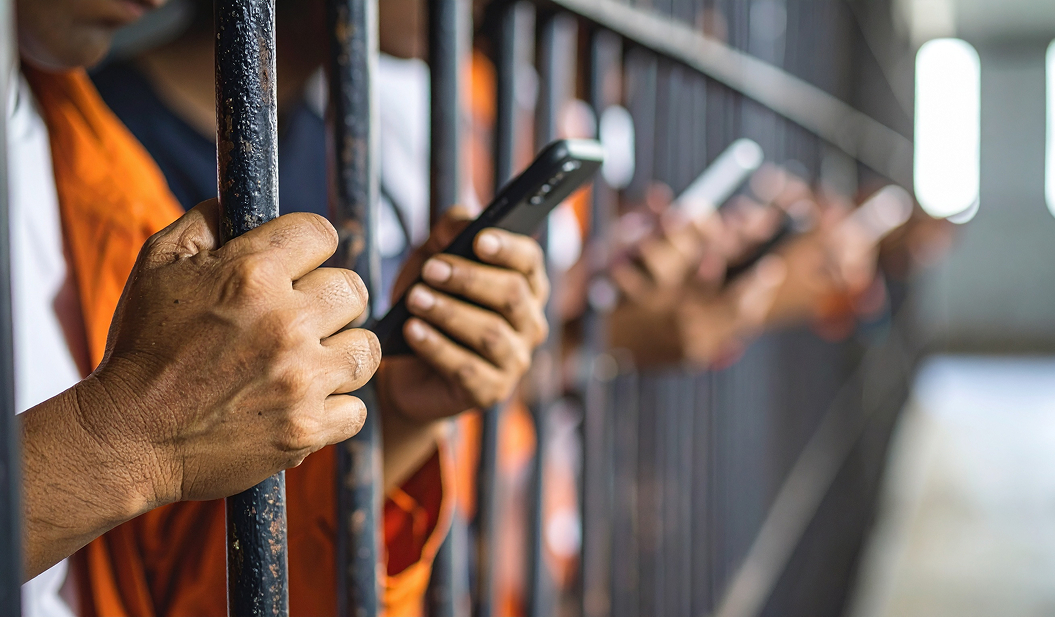
Contraband phones in correctional facilities are one of the most persistent and dangerous challenges facing jails and prison administrators today. Seizures continue to rise each year despite intensified prevention measures, and increasingly, those phones are arriving by drone, dropped over facility walls before staff can respond. These phones are no longer fringe anomalies. They are embedded tools that enable incarcerated individuals to orchestrate criminal activity, exploit institutional blind spots and extend their influence far beyond prison walls.
As facilities struggle to keep up with device inflows, rapidly expanding data volumes and increasingly sophisticated illicit networks, one reality is clear: the ability to access, analyze and operationalize digital intelligence is now central to modern correctional strategy.
Why Contraband Phones Are a Growing Threat to Correctional Facility Safety
Contraband phones allow incarcerated individuals to coordinate criminal networks, manage drug distribution, intimidate witnesses and direct violence from inside a cell. Despite enhanced detection measures, seizures continue to climb, and drone deliveries have emerged as one of the primary smuggling methods, making physical interdiction increasingly difficult to sustain.
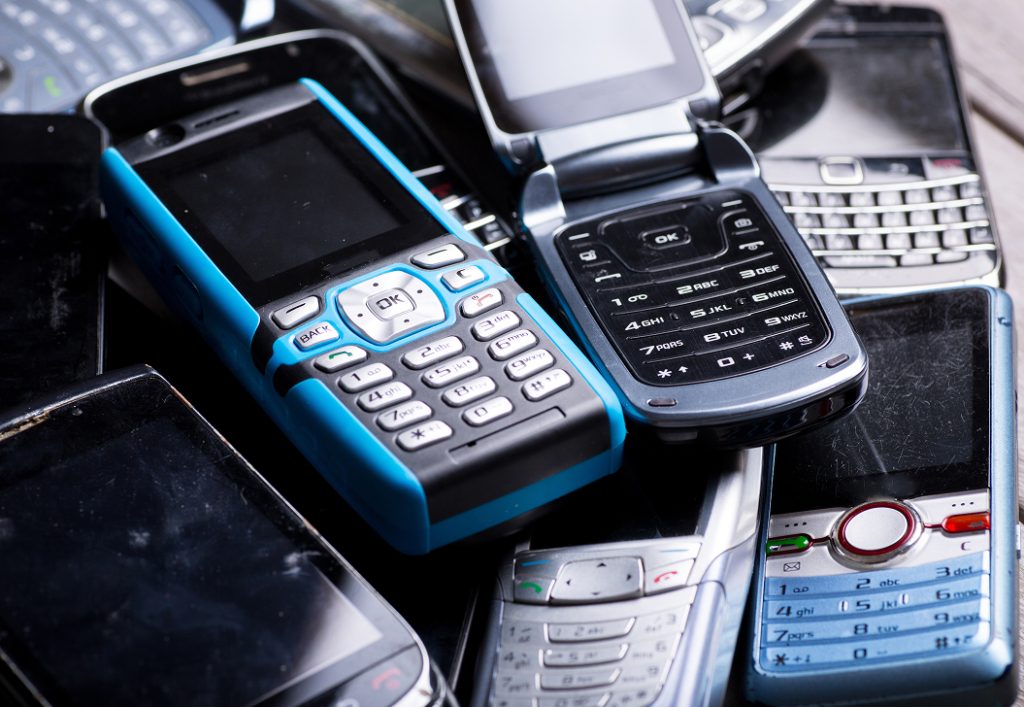
Even as agencies increase searches, scanning technology, drone detection and K9 support, contraband phones continue to proliferate. These devices are small, easily concealed and smuggled through visitors, corrupt staff, mail systems, external drops and drone deliveries and, increasingly, drone deliveries are crossing facility walls faster than staff can respond. In many jail environments, recovered drones disappear quickly, leaving little opportunity for follow-up. Investigators need to trace devices back to their operators fast, before evidence is lost or another incident occurs.
Traditional digital forensic tools were not designed for this reality. UAV data extraction has become significantly more challenging in recent years, and corrections officers need to act quickly to trace smuggling drones back to their operators, apprehend suspects and prevent further contraband from entering the facility. Waiting on external labs can cost investigations days or weeks and and give a window of opportunity for more contraband to arrive.
But the physical device is only part of the problem.
What Seized Contraband Phones and Drones Actually Reveal
Every seized device — phone or drone — is a digital crime scene. The volume and complexity of evidence each contains is what overwhelms most facilities: communications, images, social activity, financial trails, coordination logs and UAV flight path data that together reveal how illicit operations actually function.
Most facilities lack the infrastructure, staffing or unified systems to fully process this information at scale. A seized phone sitting in an evidence locker is not intelligence. It becomes intelligence only when analysts can extract its data rapidly, classify what matters and connect it to the broader picture of who is communicating with whom, about what and when.
To transform seized phones and drones into operational intelligence, agencies need technology that is purpose-built for high-volume, high-complexity digital evidence. By centralizing collection, automating classification and simplifying review across thousands of media files, agencies can finally understand the digital patterns driving crime inside their facilities. Instead of manually combing through disconnected applications, analysts gain a unified view that highlights relationships, communication patterns, location indicators and criminal hierarchies.
What the data shows
Across recovered contraband devices, investigators routinely find:
- Encrypted messaging logs linking inmates to outside criminal networks
- Financial transaction records from mobile payment apps tied to drug trafficking
- Photos and video evidence of criminal activity inside the facility
- Contact lists revealing gang hierarchies and communication webs
- UAV flight paths and operator device data connecting drones to their controllers
How Digital Forensics Helps Correctional Agencies Dismantle Criminal Networks
The strategic advantage is not in seizing devices — it is in what agencies do with the data once they have it. Every contraband phone recovered from a jail or prison is a gateway into the operational heartbeat of inmate-run enterprises. Across the globe, these devices have been linked to extortion schemes, drug distribution networks, violent assaults, coordinated gang activity, witness intimidation and even escapes.
With purpose-built digital forensics technology, investigative teams can extract evidence even when devices are damaged, locked, encrypted or from lesser-known manufacturers. Once data is accessed, analysts can turn scattered artifacts into visualized intelligence that maps communication clusters, surfaces anomalies and reveals the hidden fabric of illicit networks.
From Seized Device to Actionable Intelligence: How It Works
- Device Intake and Logging — The seized phone or drone is documented and entered in to chain of custody, preserving evidence integrity for potential prosecution.
- Extraction — Cellebrite solutions access data even from locked, damaged or encrypted devices, including lesser-known manufacturers common in contraband populations.
- Automated Classification — AI-powered solutions automatically categorize media files, communications, financial data and contacts — reducing the manual review burden dramatically.
- Link Analysis — Investigators visualize communication clusters, relationship maps and criminal hierarchies across multiple devices and cases.
- Intelligence Output — Actionable findings are shared securely with local, state and federal partners — turning a single facility’s seized device into a cross-agency investigative asset.
This is where investigations accelerate — moving from device intake to intelligence in minutes instead of days. This is where patterns emerge, illustrating the criminal hierarchies and communication webs driving illicit activity. This is where intelligence becomes preventive, not reactive, empowering agencies to stop threats before they materialize.
Facilities no longer have to guess which devices matter most or which inmates pose the greatest threat. Digital intelligence helps them prioritize high-risk devices linked to gang coordination, plans of violence or external criminal communication — enabling faster intervention and safer operations.
Tracing Contraband Drones Back to Their Operators
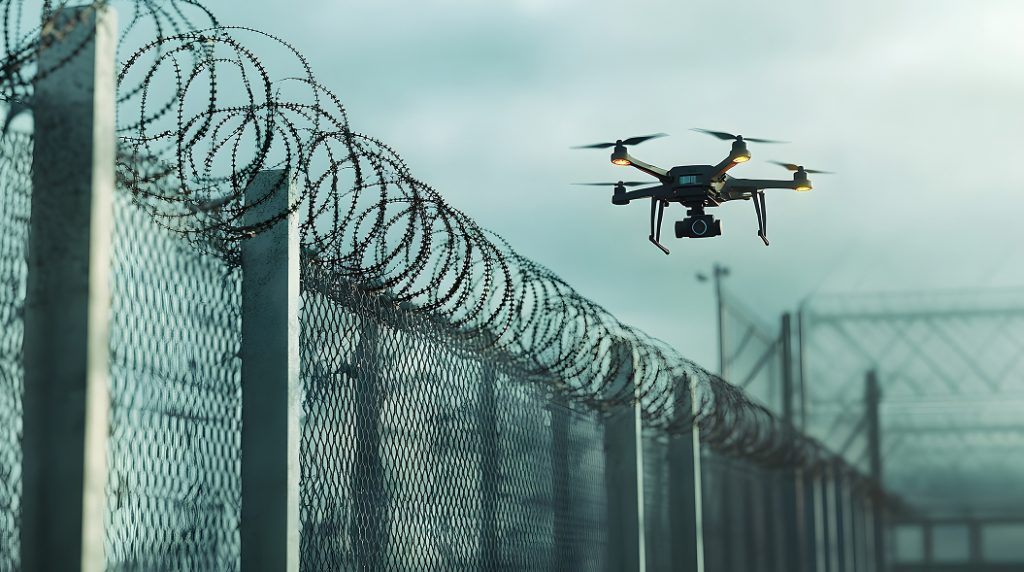
Jails are being inundated with contraband delivered over the walls by drone — and when a drone is recovered, time is the enemy. In facility environments, drones often disappear quickly after delivery, leaving little physical evidence. Investigators need to quickly trace recovered UAVs back to their operators before evidence is lost and before another delivery occurs.
UAV data extraction has become significantly more challenging in recent years. Newer drone models use encrypted storage, proprietary firmware and cloud-sync features that obscure operator identity. Traditional digital forensic tools were not built for this. Corrections officers need a purpose-built capability that can extract flight path data, operator device identifiers, GPS coordinates and communication logs from recovered drones in the field — not after a multi-week wait on an external lab.
When agencies need drone forensics fast
Common buying triggers in the corrections drone investigation workflow:
- A drone is recovered at or near a facility perimeter
- A spike in contraband deliveries over facility walls suggests organized, repeat activity
- Investigators recognize that waiting on external labs costs days or weeks the investigation cannot afford
- A suspected operator has been detained and device data needs to be correlated quickly
With the right technology, a recovered drone stops being a dead end and becomes a thread investigators can pull — tracing it back through flight data to a controller device, and from that device into a broader criminal network. The same digital intelligence workflow used for contraband phones applies to UAVs: extract, classify, analyze and act.
Building a Proactive Digital Intelligence Program for Your Facility
Contraband phones represent an ever-evolving threat, yet they also represent an opportunity: every seized device is a data source that can help dismantle criminal networks if analyzed effectively, creating safer jail environments and communities. To stay ahead, facilities must adopt a modern strategy that turns digital evidence into a force multiplier.
What Cellebrite Enables for Correctional Agencies
- Unified data access — Connect disconnected data sources to eliminate investigative blind spots across devices, facilities and partner agencies.
- Accelerated review — Automated media categorization and advanced link analysis reduce the time from device intake to actionable intelligence from days to minutes.
- Early threat identification — Identify high-risk communications, gang coordination signals and emerging threats earlier, enabling proactive intervention.
- Cross-agency collaboration — Share intelligence securely with local, state and federal partners through a compliant, controlled workflow.
- Reduced staff burden — Streamline workflows that are traditionally burdened by manual review, freeing analysts to focus on high-value investigative work.
- Community protection — Stop digital-driven criminal operations at their source — before they extend beyond the facility wall.
As contraband devices evolve faster than traditional countermeasures can adapt, digital intelligence is no longer optional. It is the new cornerstone of correctional safety.
References
1. U.S. Department of Justice, Bureau of Justice Statistics — Prisoners in 2022 (Statistical Tables)
2. Federal Bureau of Prisons — Cell Phone Interdiction and Contraband Policy
3. National Institute of Justice — Technology to Detect Cell Phones in Prisons
4. RAND Corporation — Evaluating Cell Phone Interdiction Programs in Prisons
5. Federal Aviation Administration — Unmanned Aircraft Systems (UAS) Law Enforcement Support
6. Cellebrite — Digital Intelligence for Public Safety
Frequently Asked Questions
How do correctional facilities investigate contraband phones?
Correctional facilities investigate contraband phones using digital forensics tools that extract data from seized devices — including communications, financial records, contacts and media — even when devices are locked, damaged or encrypted. The extracted data is then analyzed to identify criminal networks, gang hierarchies and communication patterns, and shared with partner agencies when relevant.
What data can be extracted from a contraband phone in a jail or prison?
Investigators can extract text messages, encrypted messaging app data, call logs, photos, videos, financial transaction records, contact lists, location history and social media activity from contraband phones. Even deleted content can often be recovered. Each data type can reveal a different dimension of criminal activity inside and outside the facility.
How are drones used to smuggle contraband into prisons?
Drones are used to fly contraband — including phones, drugs and weapons — over facility walls, often at night or during shift changes. Operators pilot UAVs from outside the perimeter, drop payloads to specific locations, and retrieve the drone before staff can respond. Newer drone models use encrypted storage and GPS logging that can be forensically analyzed to identify operators.
Can correctional agencies trace a contraband drone back to its operator?
Yes. Digital forensics tools can extract flight path data, operator device identifiers, GPS coordinates and communication logs from recovered UAVs. This data can be correlated with mobile device evidence to identify the drone operator and connect them to broader contraband smuggling networks. Speed is critical — drone evidence degrades quickly.
What digital forensics tools do correctional agencies use for contraband investigations?
Correctional agencies increasingly use purpose-built digital forensics platforms that handle high-volume, high-complexity evidence from phones, tablets and UAVs. These tools must be capable of extracting data from locked or damaged devices, automating media classification at scale, and enabling secure cross-agency intelligence sharing — capabilities that general-purpose forensic tools often lack.
How does digital intelligence improve safety in jails and prisons?
Digital intelligence improves correctional safety by converting seized devices into proactive threat data. By mapping communication networks, identifying high-risk inmates, detecting gang coordination signals and tracing contraband supply chains, agencies can intervene before threats materialize rather than reacting after incidents occur.
Brent Salo, VP Drone Forensics
Brent Salo spent years as a digital forensics expert and avid Cellebrite user before founding SCG Canada, where he developed the company’s flagship CFID product — a handheld forensic tool enabling extraction, decoding and visualization of data from more than 80 of the most common UAV platforms. Following Cellebrite’s acquisition of SCG Canada in March 2026, Salo joined Cellebrite as vice president of drone forensics, bringing field-forward drone intelligence capabilities to Cellebrite’s AI-powered platform for defense, intelligence and public safety customers.

