
Cellebrite
for Prosecutors
Get earlier access to digital evidence, find the facts that matter faster and present them clearly in court
The Digital Evidence Challenge Every Prosecutor Faces
Prosecutors often wait days or weeks for digital evidence reports, and even then get only case summaries rather than the full picture. Digital evidence now sits at the center of nearly every serious prosecution: drug trafficking, homicide, sex crimes, gang violence and financial crimes. Yet prosecutors often wait days or weeks for reports, only to receive summaries rather than the full picture. They end up manually piecing together fragmented evidence into a narrative the jury can follow, all while tracking every piece and proving its chain of custody. That’s more time chasing evidence and less time building the case and delivering justice for victims.
of agency leaders say digital evidence access is the single biggest factor in case closure rates
active cases carried by a single trial attorney at any given time
average annual cost of holding one person in jail while a case sits in delay
Tackling Your Toughest Issues
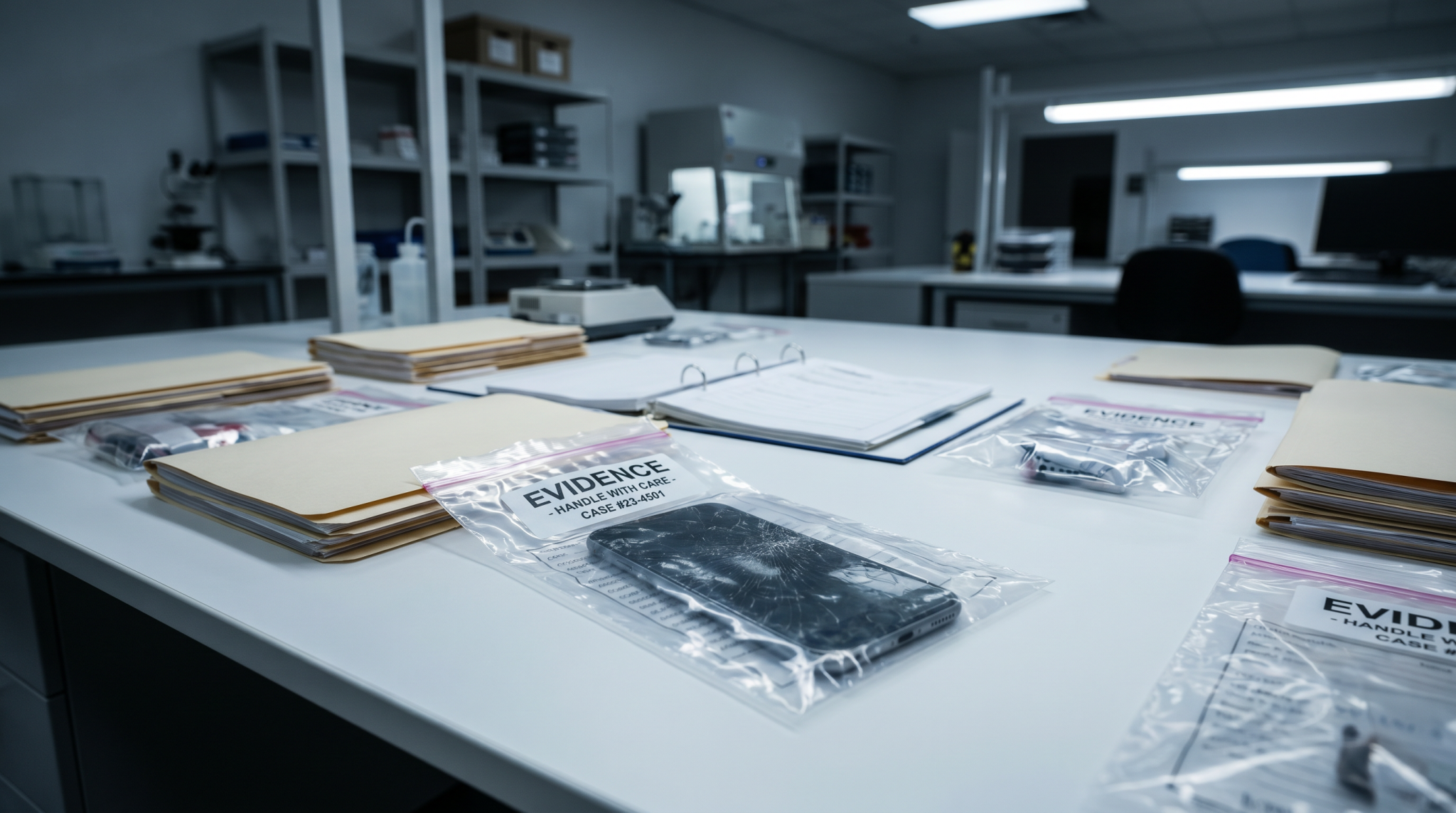
Missed Discovery Deadlines
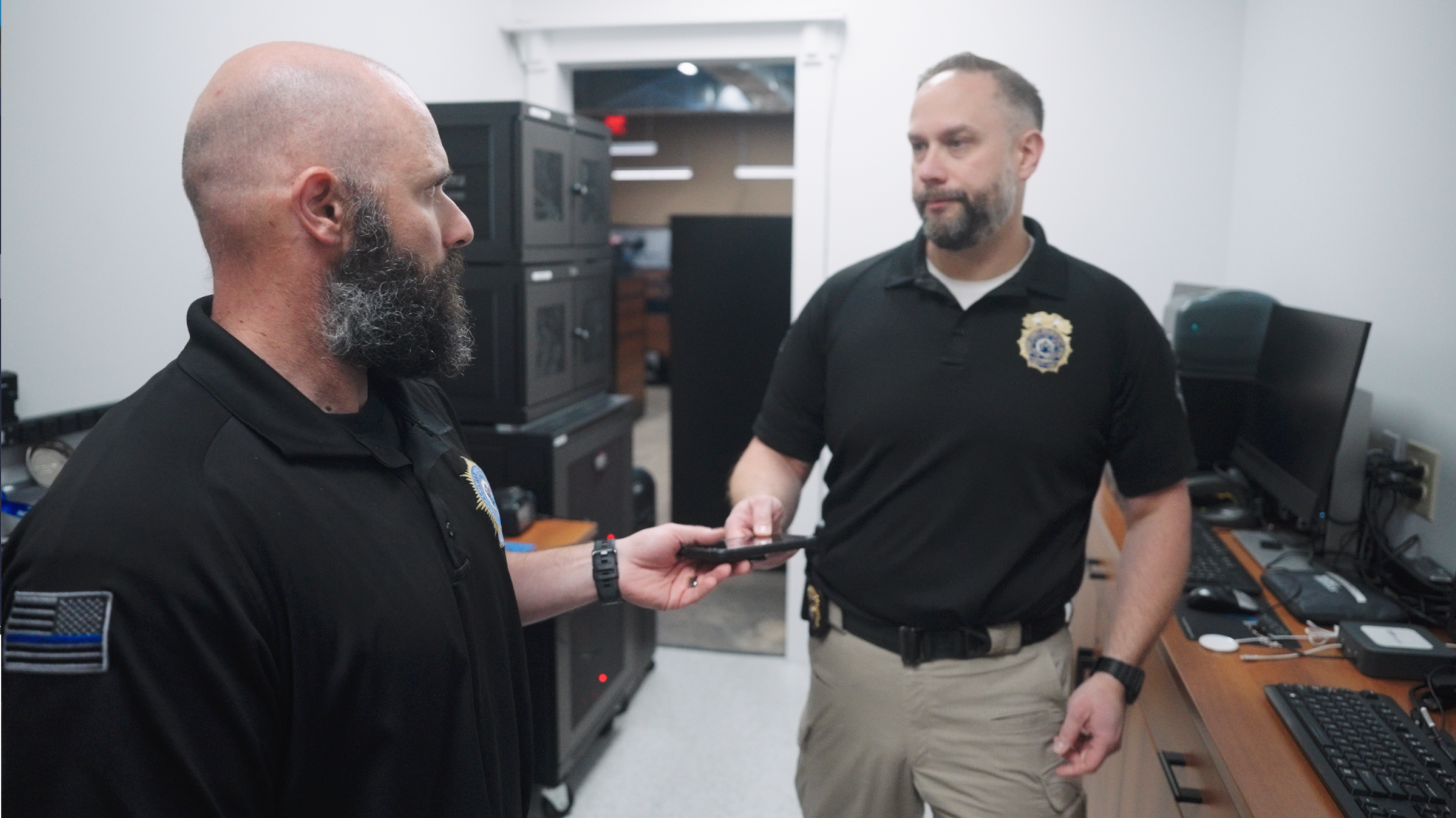
Chain-of-Custody Risk
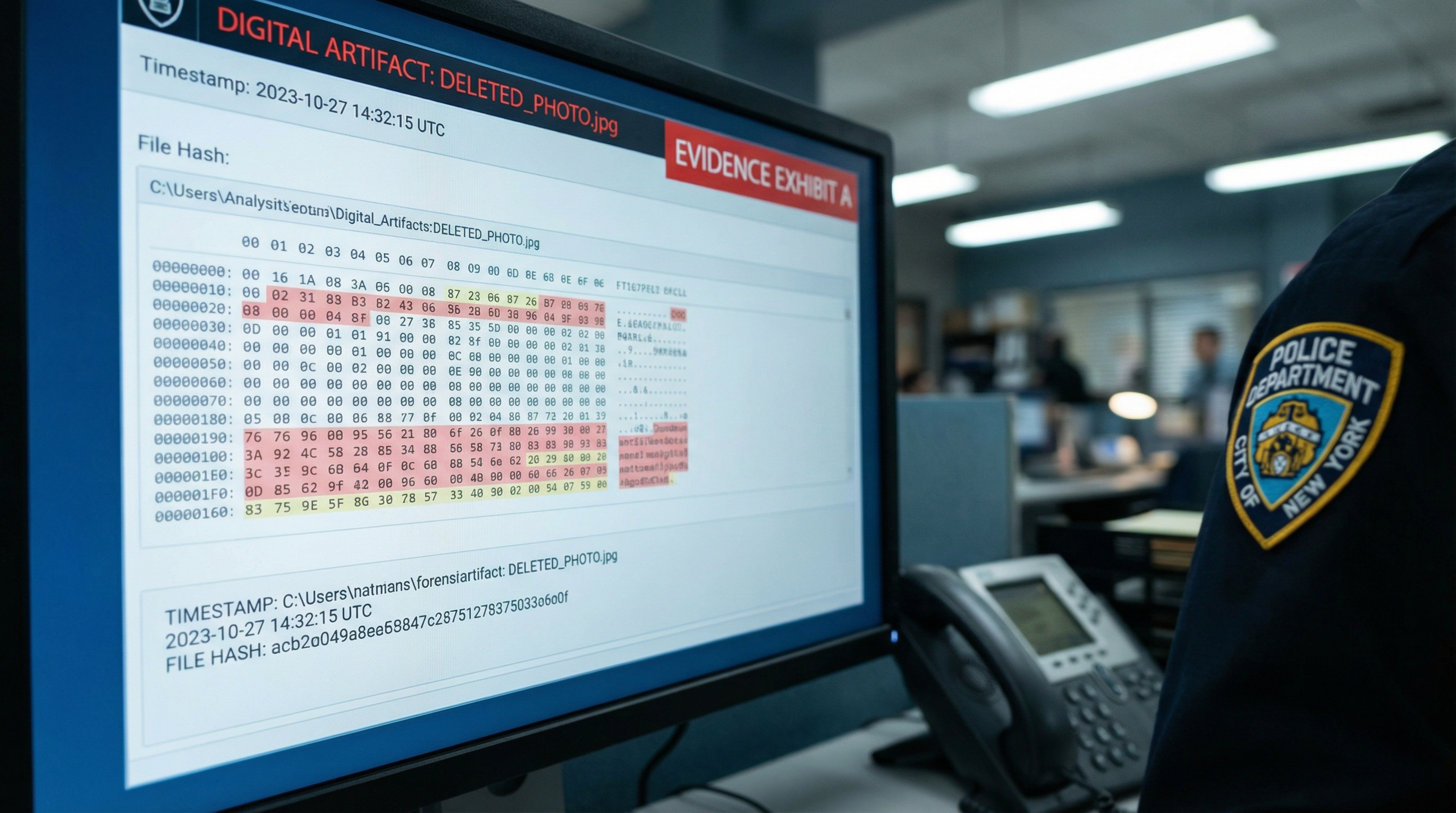
Incomplete Evidence Review
Cellebrite Solutions Helped Secure Parents’ Convictions
“It was clear to me very quickly that there was this mountain of evidence that may or may not be relevant on the phones that we were not finding. I said, ‘there’s more here and I want to find it, I want to know.’ I didn’t have the hours or the people to do what Cellebrite did.”
Karen McDonald, Oakland County, MI
Solutions for Prosecutors
Cellebrite Genesis
Ask. Explore. Validate.
Genesis lets prosecutors and analysts ask natural-language questions directly against case data — Reader files (UFDRs), messages, images, video, call records — and get answers in minutes. It's the first step before deep analysis: Genesis surfaces where to look and every finding cites back to the original evidence for validation.
Cellebrite Guardian
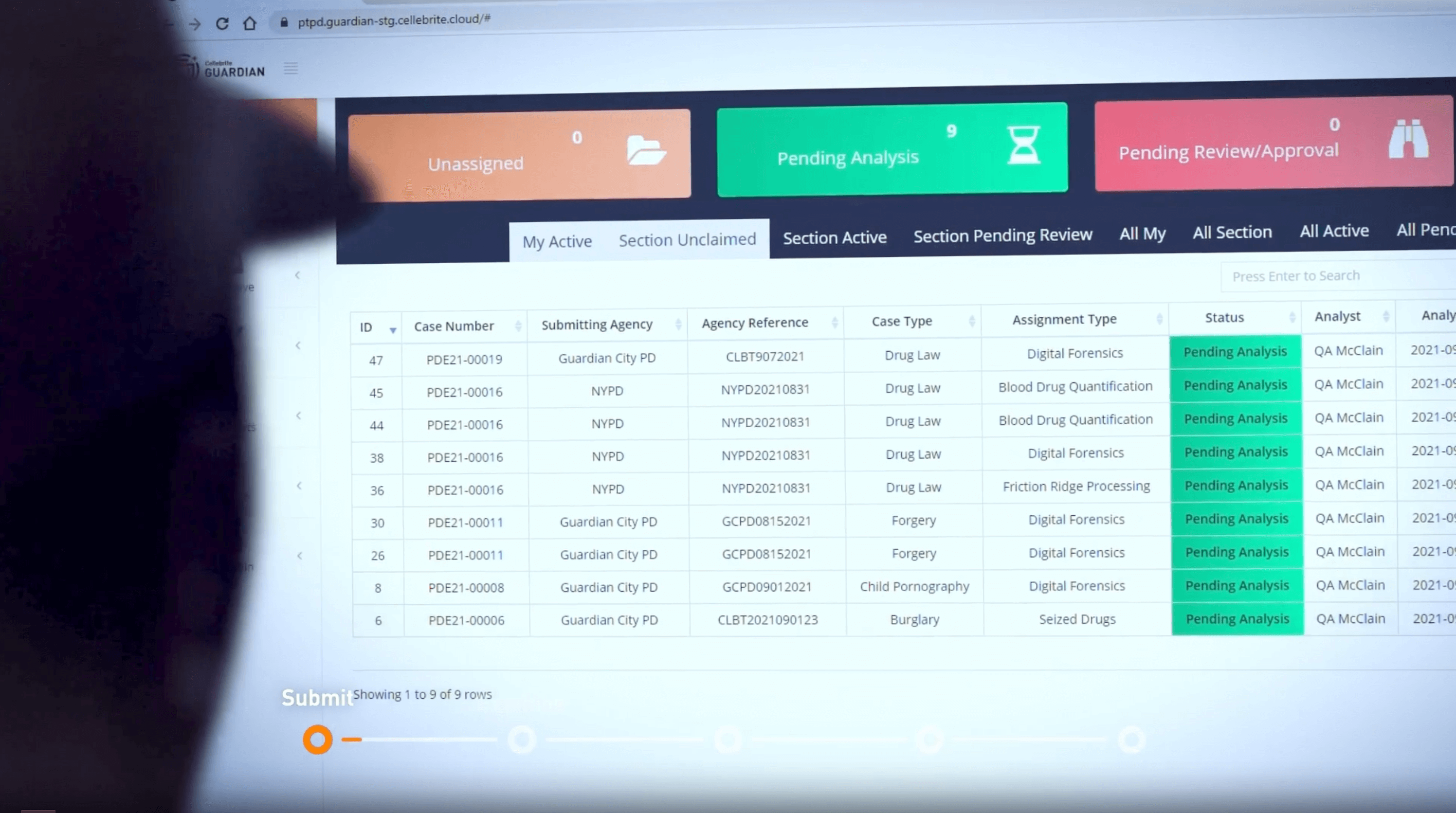
Collaborate Without the Bottleneck.
Guardian enables investigators, prosecutors and partners to securely review, share and manage digital evidence from anywhere, reducing delays while preserving chain of custody and maintaining CJIS-aligned security and auditability.
Cellebrite Pathfinder
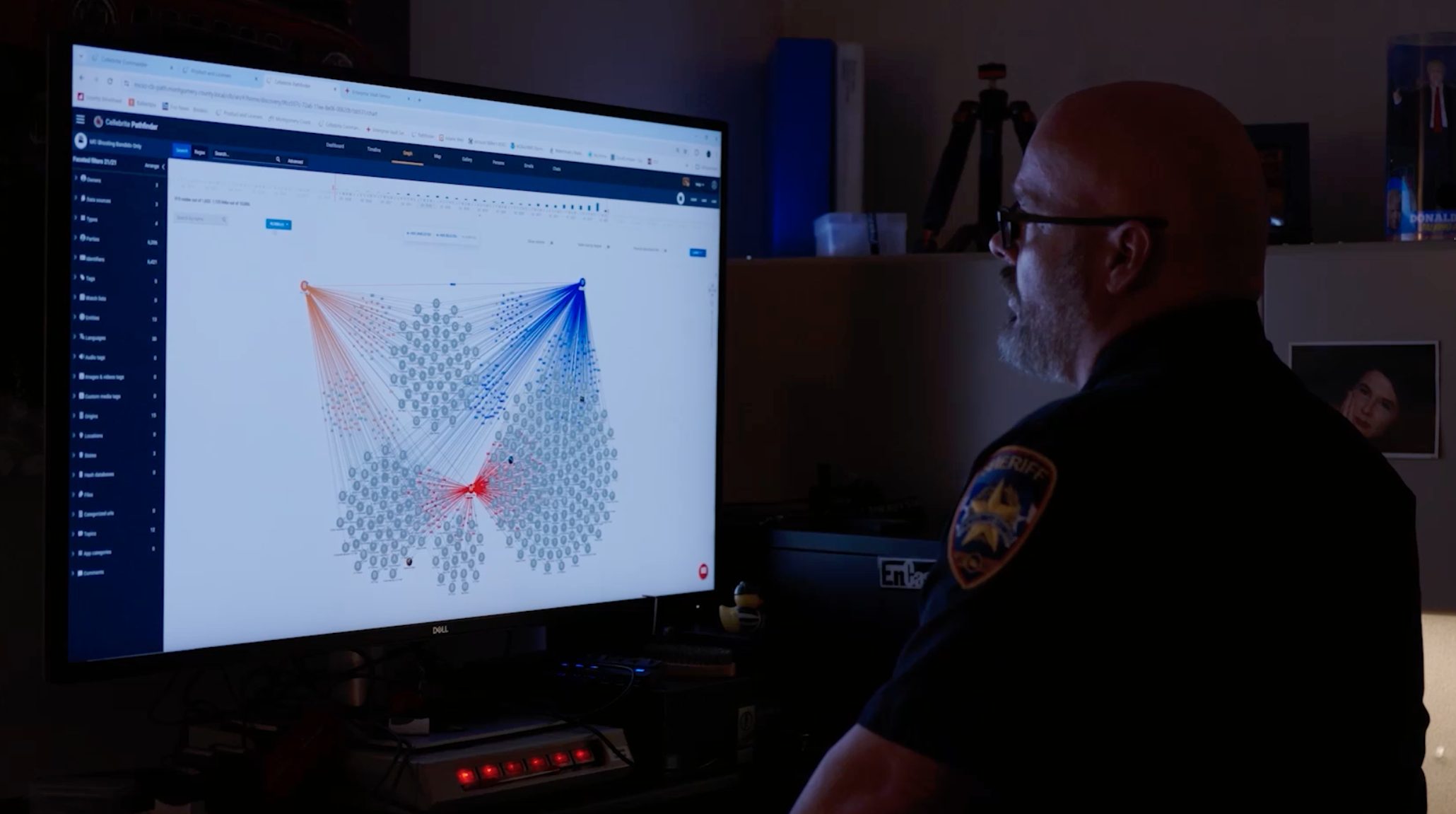
Connect the Dots Faster.
Pathfinder maps communication networks, timelines and relationships across multiple devices automatically — turning raw extraction data into network maps and timelines that are ready for a jury, not just an analyst.
Cellebrite Reader
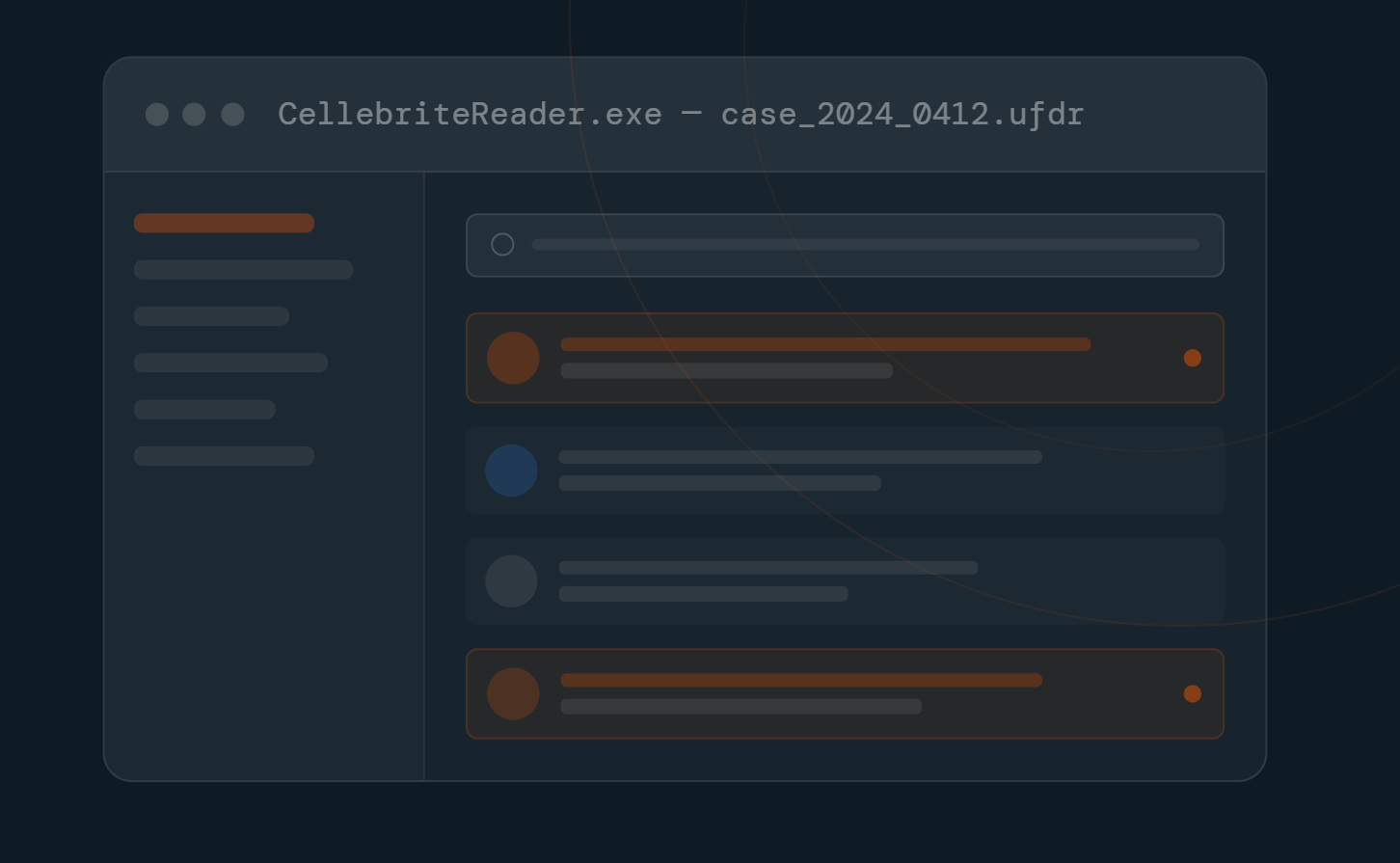
Turn Data Into Readable Evidence.
Reader streamlines evidentiary review by transforming data from a single device into a clear, searchable report, enabling investigators, prosecutors, and reviewers to quickly find, filter, tag, and analyze evidence without specialized forensic training.
Building Stronger Cases: A Prosecutor's Guide to Digital Evidence
Ready to Strengthen Your Office's Digital Evidence Capability?
Explore Cellebrite by Roles


Frequently Asked Questions
Chain of custody is the documented, timestamped record of everyone who has accessed, transferred, or handled a piece of evidence from the moment it’s collected to when it’s presented in court. Gaps in that record can give the defense grounds to challenge admissibility — which is why prosecutors increasingly rely on platforms that log every access event automatically.
Digital evidence is usually extracted by law enforcement using forensic tools, then shared with the prosecutor’s office as a UFDR (Universal Forensic Extraction Report) – historically via zip files, USB drives, or file-sharing services. Cloud-based platforms now let prosecutors review that same evidence directly in a browser, without downloading or re-uploading anything.
Yes, when the tool documents its methodology and keeps a defensible audit trail. AI can help surface patterns or leads in large datasets far faster than manual review, but it doesn’t alter the underlying evidence — every AI-assisted finding should be traceable back to the original source data so it can be reviewed, questioned, and confirmed like any other evidence.
Three things matter most: secure, role-based access for everyone who needs to see the evidence (investigators, prosecutors, defense counsel); a complete, court-admissible audit trail; and a review format attorneys and juries can actually use, not just raw forensic data. For a full framework, see our guide to evaluating digital evidence technology below.


