
Every Drone Has a
Story. The CFID Tells It.
The Cellebrite CFID (Covert Forensic Imaging Device) puts lab-grade forensic capability in your pocket, so a recovered drone becomes actionable intelligence on-site, not evidence that waits days for a lab.
The next generation of field forensics is here. CFID v4 brings on-device preview of extracted images and videos, native drone flight path visualization and expanded standalone workflows.
Drone Evidence Is Sitting in
Evidence Rooms Across the Globe,
With No Tool to Access It
Too much gear, too little time.
No laptop, tablet or host device required. CFID is fully self-contained: battery-powered and pocket-sized, it replaces separate tools for SIM extraction, media imaging, mobile collection and drone analysis with a single device that goes wherever you go.
Exploitation windows are narrow.
When a drone is seized, data that could identify the network behind it is encrypted inside the hardware. Without a field-capable tool, that window closes before the hardware reaches a lab.
A captured drone is untapped intelligence. Until now.
Most agencies seize drones and process them as hardware exhibits -- no digital extraction, no prosecution. CFID extracts critical data, potentially connecting the seized drone to the malicious operator behind it.
Evidence must hold up downstream.
Improper collection can render data unusable in investigations, regulatory review or court. If requested, CFID produces DD/E01 forensic output in the same globally accepted formats trusted by law enforcement and legal systems around the world.
Investigations span multiple data sources.
Drone incidents and digital investigations often require correlating data across UAVs, mobile devices, SIM cards and storage media. CFID consolidates collection across all sources into one workflow: 80+ UAV models, iOS, Android, SIM cards, USB drives and SD media, all in one device.
Built for Teams Where
Waiting For the Lab Isn’t an Option

Law Enforcement
Drone violations are rising across every region -- with hundreds of thousands of incidents recorded annually across North America, Europe and Asia-Pacific. Commercially available UAVs are increasingly modified for surveillance, smuggling and organized criminal activity. Detecting a drone tells you it was there. CFID tells you who flew it, where it launched and what it carried -- converting a hardware seizure into a prosecution-ready evidence package in the same forensic format your examiner already defends in court.
Corrections
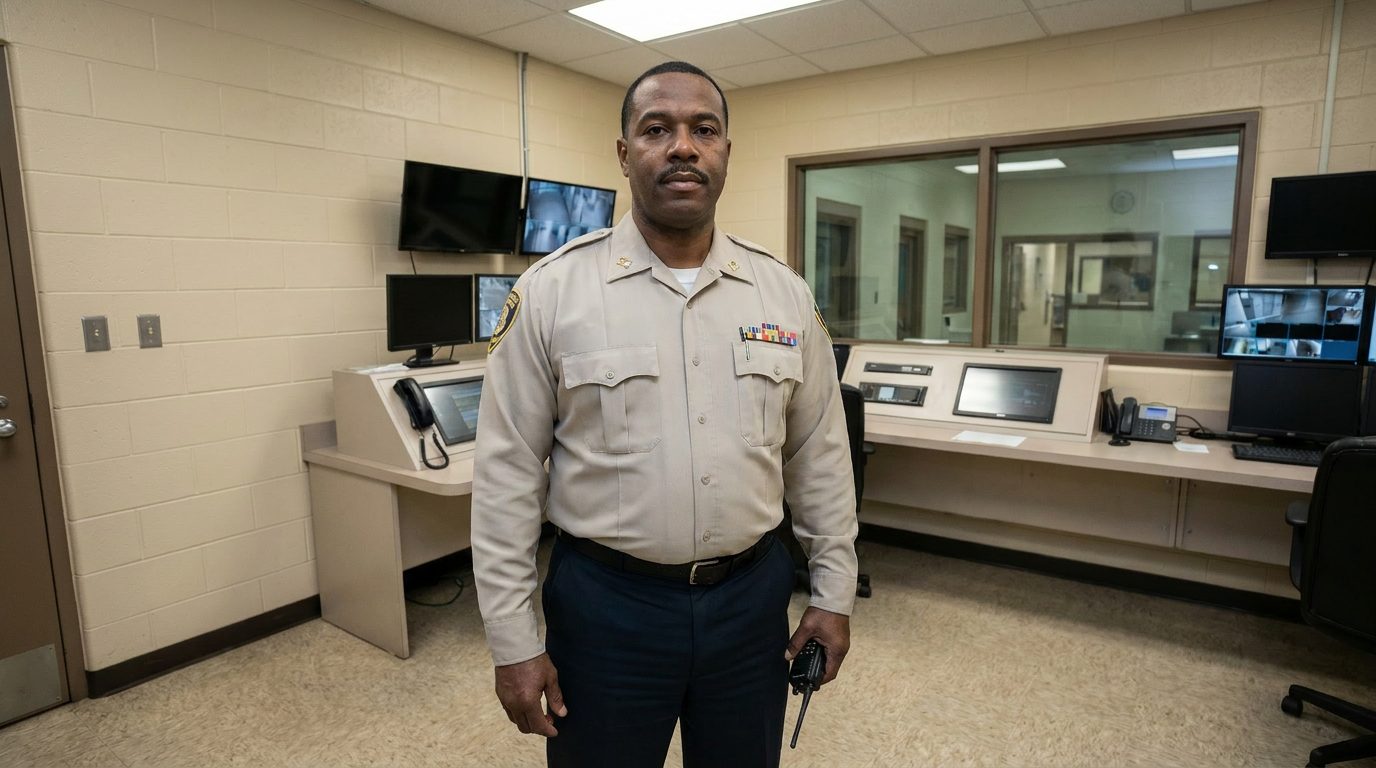
Every drone that clears a jail, prison or correctional perimeter carries a story – where it was launched, the flight path and what it did while in flight. Most facilities never read it. Drone-delivered contraband incidents have surged worldwide, 2,000% since 2018 in the U.S. alone, and in nearly every seizure the malicious operator walks free because the drone is never forensically processed. Within minutes, CFID turns a hardware recovery into a prosecution referral before the shift ends.
Defense and Intelligence
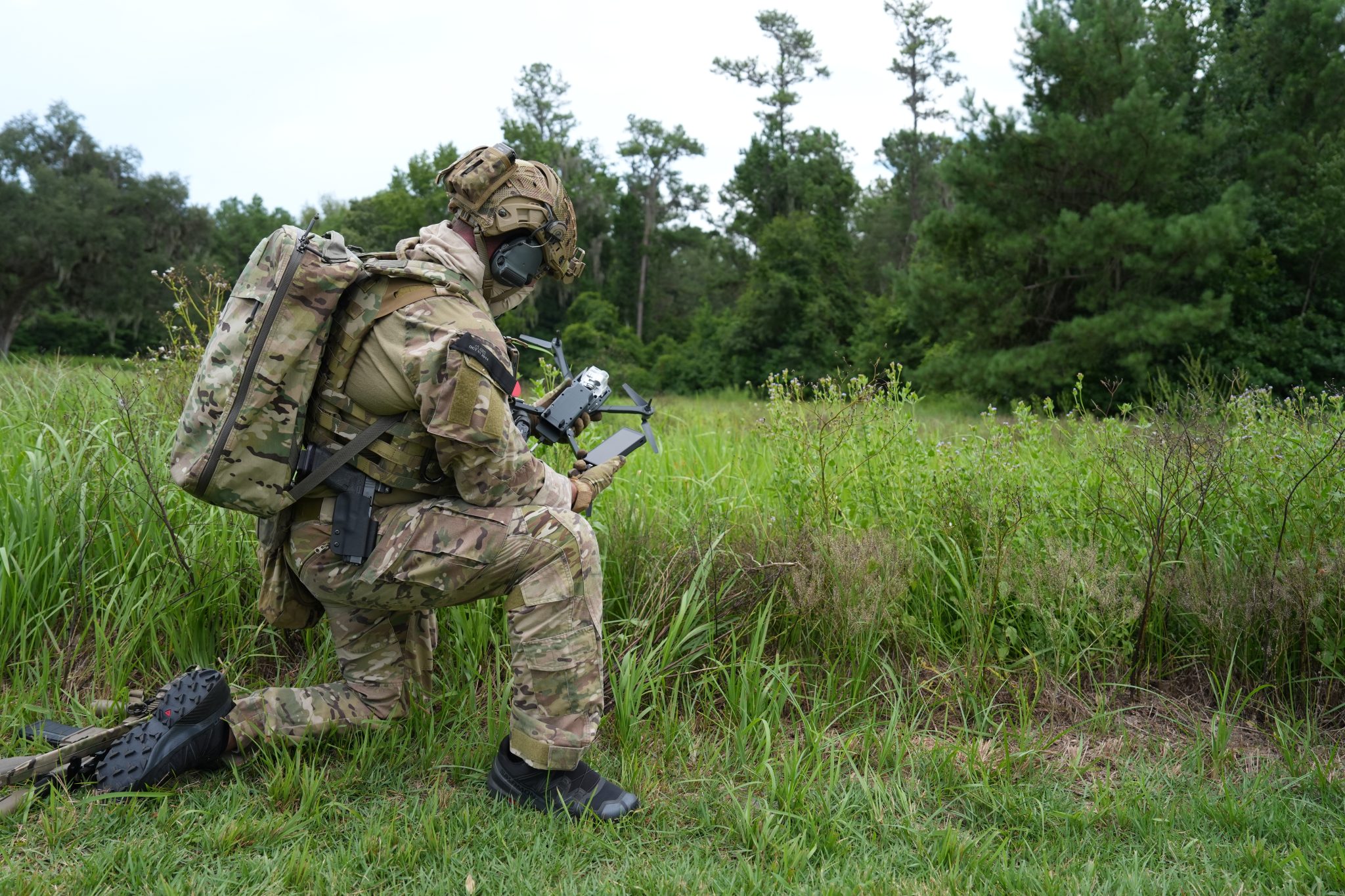
When an adversary drone is captured, the data on it has a shelf life measured in hours. CFID extracts GPS home points, flight logs and command metadata at the point of capture — in the field, fully disconnected, before the network disperses. Beyond drone exploitation, CFID handles the full range of digital media your missions demand: unlocked phones, SIM cards, portable media and more — one tool, no dependencies. Trusted by defense and intelligence teams across 35+ countries, including Five Eyes Nations, for sensitive site exploitation and counter-UAS operations.
Critical Infrastructure
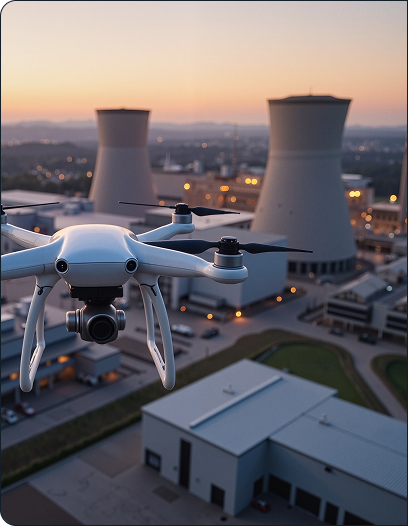
When a drone breaches a protected perimeter -- a power grid, water treatment facility, stadium or nuclear site -- detection systems are doing their job. Alerts trigger, incidents are logged and drones are recovered, yet that’s when most security workflows stop. When the aircraft is recovered, extracting data, establishing intent and producing defensible evidence requires a capability that detection alone can’t provide. Without it, investigations stall and critical questions go unanswered, leaving security teams exposed to regulators, insurers and executive leadership. CFID solves that issue. Handheld and battery-powered, it extracts and analyzes flight path reconstruction, GPS home points and onboard media at the scene, turning detection into evidence while it still matters.
Law Enforcement
Drone violations are rising across every region -- with hundreds of thousands of incidents recorded annually across North America, Europe and Asia-Pacific. Commercially available UAVs are increasingly modified for surveillance, smuggling and organized criminal activity. Detecting a drone tells you it was there. CFID tells you who flew it, where it launched and what it carried -- converting a hardware seizure into a prosecution-ready evidence package in the same forensic format your examiner already defends in court.
Corrections
Every drone that clears a jail, prison or correctional perimeter carries a story – where it was launched, the flight path and what it did while in flight. Most facilities never read it. Drone-delivered contraband incidents have surged worldwide, 2,000% since 2018 in the U.S. alone, and in nearly every seizure the malicious operator walks free because the drone is never forensically processed. Within minutes, CFID turns a hardware recovery into a prosecution referral before the shift ends.
Defense and Intelligence
When an adversary drone is captured, the data on it has a shelf life measured in hours. CFID extracts GPS home points, flight logs and command metadata at the point of capture — in the field, fully disconnected, before the network disperses. Beyond drone exploitation, CFID handles the full range of digital media your missions demand: unlocked phones, SIM cards, portable media and more — one tool, no dependencies. Trusted by defense and intelligence teams across 35+ countries, including Five Eyes Nations, for sensitive site exploitation and counter-UAS operations.
Critical Infrastructure
When a drone breaches a protected perimeter -- a power grid, water treatment facility, stadium or nuclear site -- detection systems are doing their job. Alerts trigger, incidents are logged and drones are recovered, yet that’s when most security workflows stop. When the aircraft is recovered, extracting data, establishing intent and producing defensible evidence requires a capability that detection alone can’t provide. Without it, investigations stall and critical questions go unanswered, leaving security teams exposed to regulators, insurers and executive leadership. CFID solves that issue. Handheld and battery-powered, it extracts and analyzes flight path reconstruction, GPS home points and onboard media at the scene, turning detection into evidence while it still matters.
The Numbers Behind the Mission
6 hrs Battery life
Built for extended field use without interruption
< 4 min GPS home point extraction
Potentially identify the drone operator before the window closes
88 MB/s Imaging speed
Rapid data extraction when every second counts
250g Total device weight
Full forensic capability lighter than a smartphone
35+ Countries using CFID
Trusted by operational, enforcement and investigative teams worldwide.
80+ UAV platforms supported
Coverage including encrypted models and newer commercial drones
Capabilities
What Can CFID Extract in the Field?
UAV Processing
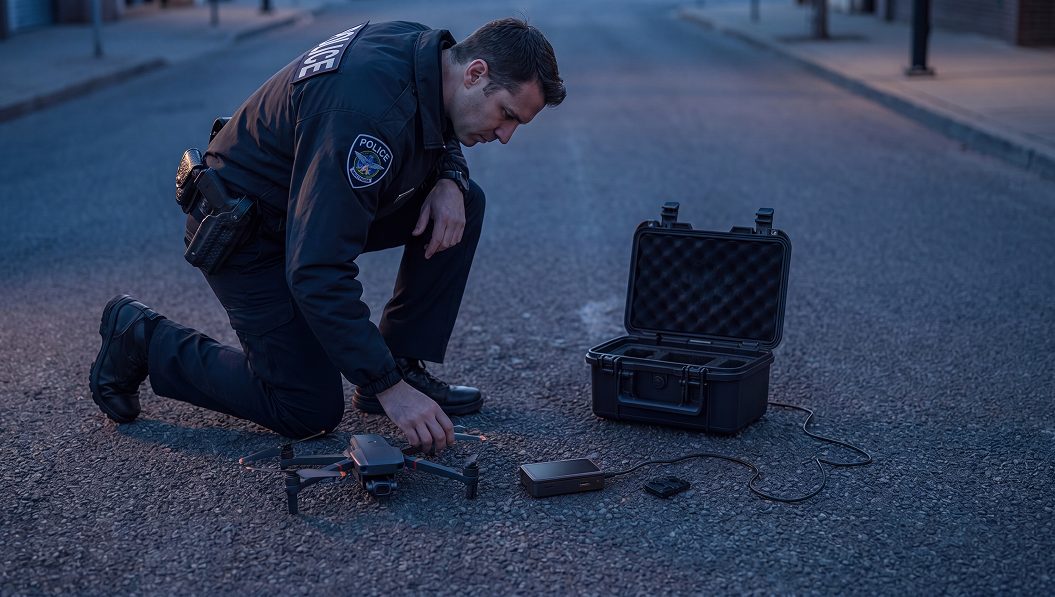
Extraction, decoding and flight path visualization from 80+ drone types including GPS logs, controller data and onboard media. Offline mapping visualizes flight paths immediately after extraction with no secondary device or internet connection required.
Mobile Device Extraction
iOS and Android support. Extracts active and deleted files, app data and communications from seized devices on-site and without a lab connection.
SIM Card Analysis
Full SIM and USIM extraction including watch list linking and live preview. Supports micro and full-size SIM formats. Watchlist checks complete in under four seconds.
Portable Media
Images, copies, clones, formats and wipes SD cards, USB drives and other storage media in a single workflow.
Forensic Imaging
Produces industry-standard DD and E01 outputs compatible with most commercial and open-source analysis software, including formats already accepted in court and evidentiary proceedings across jurisdictions worldwide.
CFID Fits Directly Into Your Existing Cellebrite Investment
CFID is part of the Cellebrite Digital Investigation Platform. Data collected in the field with CFID flows directly into Inseyets for deeper decoding and analysis, Guardian for evidence management and chain-of-custody tracking and Pathfinder for multi-source intelligence and lead generation. Agencies already using Cellebrite solutions can extend their forensic reach to drone evidence without adding new workflows or infrastructure.

INSEYETS
Import CFID extractions for deeper mobile and UAV decoding, analysis and AI-assisted review.
GUARDIAN
Maintain chain-of-custody and evidence integrity from field collection through case closure and court presentation.
PATHFINDER
Correlate drone data with mobile and digital evidence across cases to surface leads and identify networks.
CFID at Work in Your region
The Drone Came Down. In North America, the Investigation Shouldn’t Stop There.
Drone incursions now hit prison yards, the southern border and crowded venues alike. Taking a drone down isn’t the same as proving who flew it, and CFID closes that evidence gap at the scene.
Corrections Under Nightly Assault
Federal facilities logged 479 drone incidents in 2024, and South Carolina alone recorded 254 in 2025. Each drone can be a thread that leads back to a smuggling crew, but only if its data is read before the aircraft is put on the shelf.
A Militarized Southern Border
CBP detected 34,682 drone flights within 500 meters of the U.S.-Mexico border in fiscal 2025, moving narcotics and surveilling agents. A recovered border drone holds the home point, route and payload history that tie it to a launch site, all of which dies with the battery.
Stadiums and the 2026–2028 Event Window
Lawmakers have flagged drones over mass gatherings as a public safety priority as North America plays host to the 2026 FIFA World Cup and the 2028 Los Angeles Olympics.When a drone comes down over a crowd, investigators have minutes to establish its operator and origin before the trail goes cold.
EMEA's Recovered Drones Are Everyday Evidence. CFID Tells You Who Sent It
Across borders, airports and critical infrastructure, recovered drones are everyday evidence, yet on its own, detection leaves potential evidence such as the network behind the flight unidentified. CFID shows the full picture by extracting flight logs, telemetry and device data at the scene, turning a recovered drone into courtroom-ready intelligence within a lawful, authorised investigation. No lab or specialist is required, meaning no delay.
A Region Asking for a Standardised Response
In December 2025, Europol identified drone forensics as a growing investigative priority, calling for standardised forensic data flows across EU member states. Yet prosecutions still run through national criminal codes, not one EU-wide law. CFID’s output is built for exactly this setup, it is consistent, lawfully collected and defensible in whichever jurisdiction the case lands.
Where a Recovered Drone Becomes Evidence
Border & Customs: A smuggling drone rarely stays in one country, it launches in one jurisdiction, crosses into another and may be recovered in a third. CFID helps extract flight logs and telemetry, place the launch point and connect the flight to the organised-crime network behind it — before the device is wiped or handed on.
Airport & Aviation Policing: Runway and restricted-airspace incursions ground flights and put lives at risk, and the same operators often reoffend. When a drone is recovered , CFID helps reconstruct the route, recover pilot coordinates and match device identifiers across incidents — supporting prosecution and identifying repeat offenders. For airport police and counter-UAS teams.
Counterterrorism & Critical Infrastructure: Drones are a low-cost tool for reconnaissance against sensitive sites. A recovered airframe carries the command-link and telemetry data that could help intelligence services attribute a flight to a threat-actor network — turning a single seizure into network-level insight. For intelligence services and critical-infrastructure protection units.
In Asia-Pacific, the Drone Threat Doesn't Wait for the Lab.
From contested borders in South Asia to contraband drops inside correctional facilities across Southeast Asia and Australia, the region’s drone incidents are escalating faster than lab capacity can absorb them. CFID puts the forensic capability at the scene — wherever that scene is.
A Border Region Under Daily Pressure
India’s border forces face persistent drone activity used to move narcotics and weapons across contested frontiers. South Korean authorities logged thousands of unidentified drone incursions in recent years, including confirmed overflights from adversarial actors. Indonesia’s porous archipelagic borders are increasingly exploited by criminal networks moving contraband at low altitude. In every case, GPS home points and flight history locked inside a recovered drone are the leads investigators need — and they expire with the battery.
Corrections Across a Vast Geography
Correctional facilities in Australia and the Philippines report rising drone contraband incidents. In a region where the distance between a prison perimeter and the nearest digital forensics lab can be measured in flight hours, waiting is not an option. CFID extracts on-site, producing prosecution-ready output before the shift ends.
In Latin America, the Drone Is the Weapon, the Witness and the Lead.
Criminal organizations across the region are turning commercial drones into weapons and tools of control: dropping explosives, directing operations from inside prisons and flying contraband over perimeters. A recovered drone is the most direct evidence of the cell that flew it, but labs are often distant. CFID reads it where it lands.
A Weapon, Not a Nuisance
Researchers attributed 221 weaponized-drone incidents in Mexico to criminal groups between 2021 and 2025, 27 of them deadly, with cartels like the CJNG running dedicated drone units. A recovered attack drone carries the flight path, controller pairing and onboard media that lead back to the operators.
A Command Center Behind the Walls
Criminal drone use in the region first surfaced inside prisons, and Panama alone seized 1,587 contraband drones in a single year. Tracing a prison drone to its operator breaks the link that lets incarcerated leaders keep running the organization from inside.
A Courier That Outpaces the Lab
From Argentina’s seven drone prison-supply ring to near-daily favela drops in Brazil, smuggling crews adapt faster than data can reach a lab. Extracting on-site, in a format aligned with LGPD and regional data-protection law, keeps evidence usable from seizure to courtroom.
The Drone Came Down. In North America, the Investigation Shouldn’t Stop There.
Drone incursions now hit prison yards, the southern border and crowded venues alike. Taking a drone down isn’t the same as proving who flew it, and CFID closes that evidence gap at the scene.
Corrections Under Nightly Assault
Federal facilities logged 479 drone incidents in 2024, and South Carolina alone recorded 254 in 2025. Each drone can be a thread that leads back to a smuggling crew, but only if its data is read before the aircraft is put on the shelf.
A Militarized Southern Border
CBP detected 34,682 drone flights within 500 meters of the U.S.-Mexico border in fiscal 2025, moving narcotics and surveilling agents. A recovered border drone holds the home point, route and payload history that tie it to a launch site, all of which dies with the battery.
Stadiums and the 2026–2028 Event Window
Lawmakers have flagged drones over mass gatherings as a public safety priority as North America plays host to the 2026 FIFA World Cup and the 2028 Los Angeles Olympics.When a drone comes down over a crowd, investigators have minutes to establish its operator and origin before the trail goes cold.
EMEA's Recovered Drones Are Everyday Evidence. CFID Tells You Who Sent It
Across borders, airports and critical infrastructure, recovered drones are everyday evidence, yet on its own, detection leaves potential evidence such as the network behind the flight unidentified. CFID shows the full picture by extracting flight logs, telemetry and device data at the scene, turning a recovered drone into courtroom-ready intelligence within a lawful, authorised investigation. No lab or specialist is required, meaning no delay.
A Region Asking for a Standardised Response
In December 2025, Europol identified drone forensics as a growing investigative priority, calling for standardised forensic data flows across EU member states. Yet prosecutions still run through national criminal codes, not one EU-wide law. CFID’s output is built for exactly this setup, it is consistent, lawfully collected and defensible in whichever jurisdiction the case lands.
Where a Recovered Drone Becomes Evidence
Border & Customs: A smuggling drone rarely stays in one country, it launches in one jurisdiction, crosses into another and may be recovered in a third. CFID helps extract flight logs and telemetry, place the launch point and connect the flight to the organised-crime network behind it — before the device is wiped or handed on.
Airport & Aviation Policing: Runway and restricted-airspace incursions ground flights and put lives at risk, and the same operators often reoffend. When a drone is recovered , CFID helps reconstruct the route, recover pilot coordinates and match device identifiers across incidents — supporting prosecution and identifying repeat offenders. For airport police and counter-UAS teams.
Counterterrorism & Critical Infrastructure: Drones are a low-cost tool for reconnaissance against sensitive sites. A recovered airframe carries the command-link and telemetry data that could help intelligence services attribute a flight to a threat-actor network — turning a single seizure into network-level insight. For intelligence services and critical-infrastructure protection units.
In Asia-Pacific, the Drone Threat Doesn't Wait for the Lab.
From contested borders in South Asia to contraband drops inside correctional facilities across Southeast Asia and Australia, the region’s drone incidents are escalating faster than lab capacity can absorb them. CFID puts the forensic capability at the scene — wherever that scene is.
A Border Region Under Daily Pressure
India’s border forces face persistent drone activity used to move narcotics and weapons across contested frontiers. South Korean authorities logged thousands of unidentified drone incursions in recent years, including confirmed overflights from adversarial actors. Indonesia’s porous archipelagic borders are increasingly exploited by criminal networks moving contraband at low altitude. In every case, GPS home points and flight history locked inside a recovered drone are the leads investigators need — and they expire with the battery.
Corrections Across a Vast Geography
Correctional facilities in Australia and the Philippines report rising drone contraband incidents. In a region where the distance between a prison perimeter and the nearest digital forensics lab can be measured in flight hours, waiting is not an option. CFID extracts on-site, producing prosecution-ready output before the shift ends.
In Latin America, the Drone Is the Weapon, the Witness and the Lead.
Criminal organizations across the region are turning commercial drones into weapons and tools of control: dropping explosives, directing operations from inside prisons and flying contraband over perimeters. A recovered drone is the most direct evidence of the cell that flew it, but labs are often distant. CFID reads it where it lands.
A Weapon, Not a Nuisance
Researchers attributed 221 weaponized-drone incidents in Mexico to criminal groups between 2021 and 2025, 27 of them deadly, with cartels like the CJNG running dedicated drone units. A recovered attack drone carries the flight path, controller pairing and onboard media that lead back to the operators.
A Command Center Behind the Walls
Criminal drone use in the region first surfaced inside prisons, and Panama alone seized 1,587 contraband drones in a single year. Tracing a prison drone to its operator breaks the link that lets incarcerated leaders keep running the organization from inside.
A Courier That Outpaces the Lab
From Argentina’s seven drone prison-supply ring to near-daily favela drops in Brazil, smuggling crews adapt faster than data can reach a lab. Extracting on-site, in a format aligned with LGPD and regional data-protection law, keeps evidence usable from seizure to courtroom.
Everything You Need. Nothing You Don't.
Processor
8-core ARM
RAM
16 GB
Storage
128 GB SSD M.2 NVM (user-expandable M.2 NVMe)
Display
5.5″ AMOLED 1080p touchscreen
Connectivity
USB 3.1 Gen 2; USB-C with Power Delivery
Housing
Tough aluminum case
Imaging Speed
48/88 MB/s imaging and wiping
Image Formats
DD, E01, and other standard types
Network
Networkable; VPN & remote access supported
Output
USB-C Display Port for live device presentations
Corrections Resources and Best Practices
A Drone Forensics Operation at Scale: 1,200+ UAVs. Nearly 10 TB of Data. One CFID.
Read the StoryERSOU Secures Multiple UK Convictions Using Cellebrite Drone Forensics.
Read the Story Every Drone Has a Story.
Make Sure You Can Tell It.
Every drone recovered is a lead. CFID gives your team the forensic capability to follow it on-site, in the field and without waiting on a lab.
Frequently Asked Questions
CFID (Covert Forensic Imaging Device) is a battery-powered, pocket-sized forensic collection device from Cellebrite. It extracts, decodes and visualizes data from 80+ UAV models as well as mobile devices, SIM cards and portable media at the point of collection, without a lab, internet connection or forensic specialist required. It produces court-defensible DD/E01 forensic output from the moment of capture.
CFID supports more than 80 UAV platforms, including extraction and decoding of GPS logs, controller data, encrypted flight logs and onboard media. Broad UAV coverage — including newer, encrypted and modified commercial drone models — is a core product strength and a continued area of expansion. Contact a Cellebrite specialist for current model compatibility.
Yes. CFID is entirely self-contained. It includes on-device offline mapping for flight path visualization and requires no secondary device, lab connection or internet access. Battery-powered and designed for non-lab and field environments, it operates where connectivity is limited or unavailable.
CFID has two primary differentiators. First, portability: CFID is handheld, battery-powered and built for field and forward-deployed use. Competing tools are laptop-based with no field-portable flight visualization capability. Second, breadth: CFID extracts from drones, mobile devices, SIM cards and portable media in a single device. Other tools in the category are drone-only, requiring separate equipment for every other evidence source at a scene.
CFID supports three additional device categories: mobile devices (iOS and Android, including active and deleted files, app data and communications); SIM cards (full SIM and USIM extraction including watch list linking and live preview in micro and full-size formats); and portable media (SD cards, USB drives and other storage media including imaging, copying, cloning and wiping functions).
GPS home point and full flight history extraction from a seized drone completes in under four minutes. SIM watchlist checks complete in under four seconds. Extraction time for mobile devices and portable media varies by device and data volume. CFID’s 88 MB/s imaging speed is designed to minimize time at the point of collection.
CFID produces industry-standard DD and E01 forensic image formats from the moment of capture. These formats are already accepted in court and evidentiary proceedings across jurisdictions worldwide and are compatible with most commercial and open-source forensic analysis software.
The SAFER SKIES Act, signed in December 2025 as part of the FY2026 National Defense Authorization Act, grants state, local and correctional agencies legal authority to detect, track and mitigate drone threats for the first time. CFID provides the forensic capability agencies need to act on drone incidents and build prosecution-ready evidence packages. Contact a Cellebrite specialist for guidance on your agency’s specific authority and applicable federal funding opportunities.


