
Automotive and Embedded Systems
Virtual Hardware for automotive and embedded software testing and development. Corellium Atlas helps teams run, debug, automate, and test software on virtual Arm-based systems without the complication of physical boards, test benches, prototypes, or silicon availability schedules.
Build before the board arrives
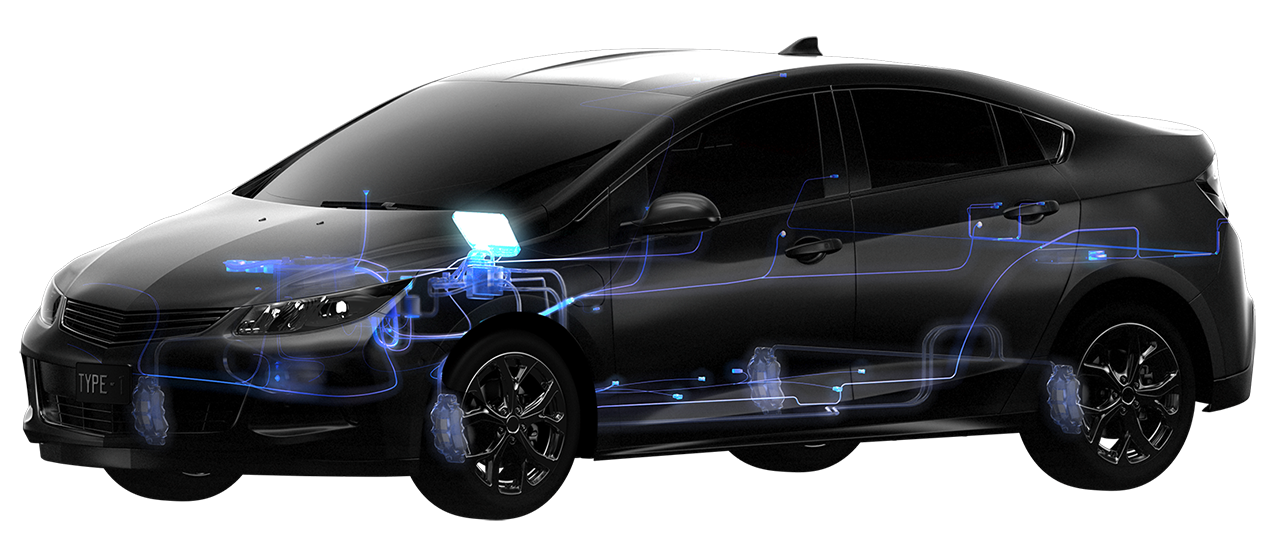
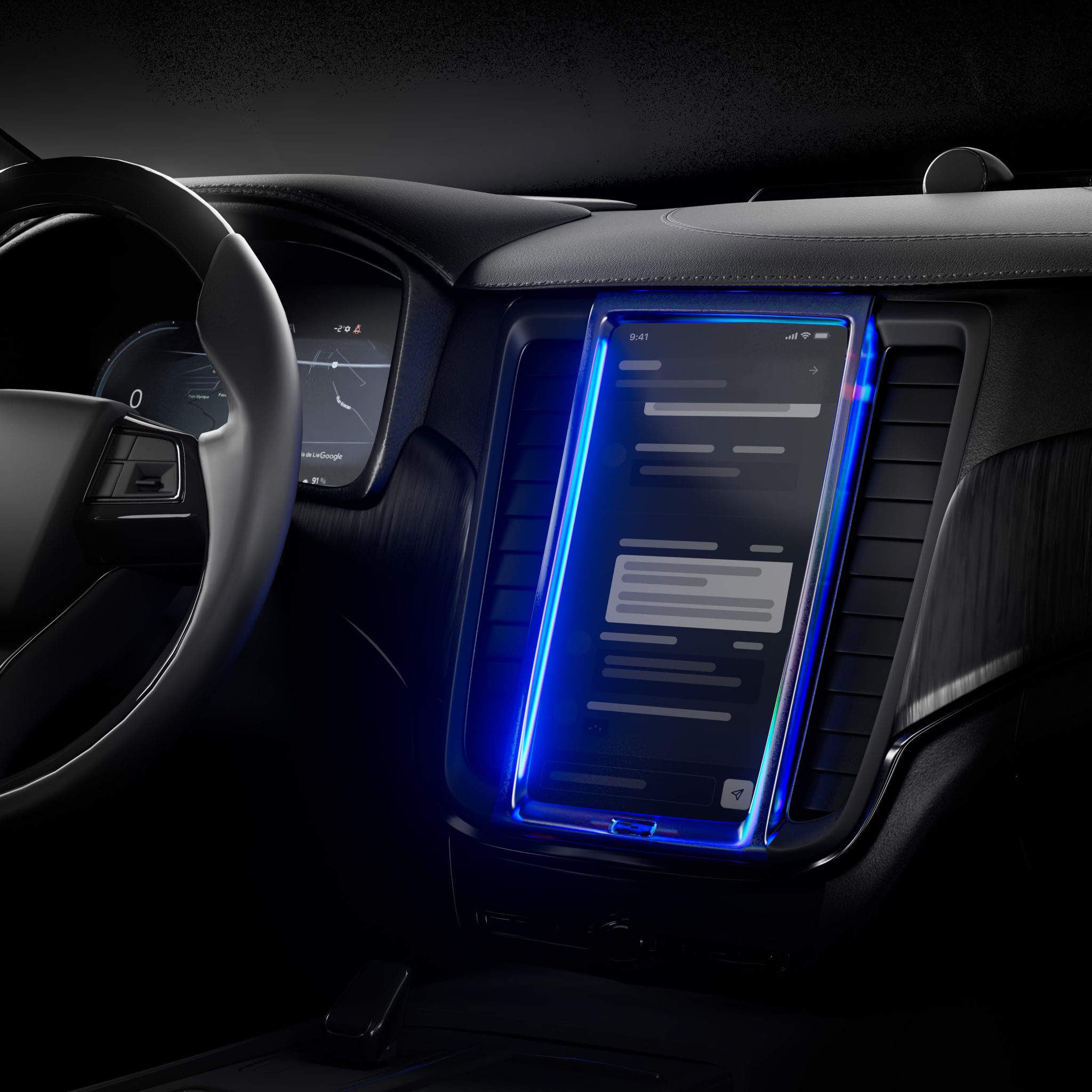
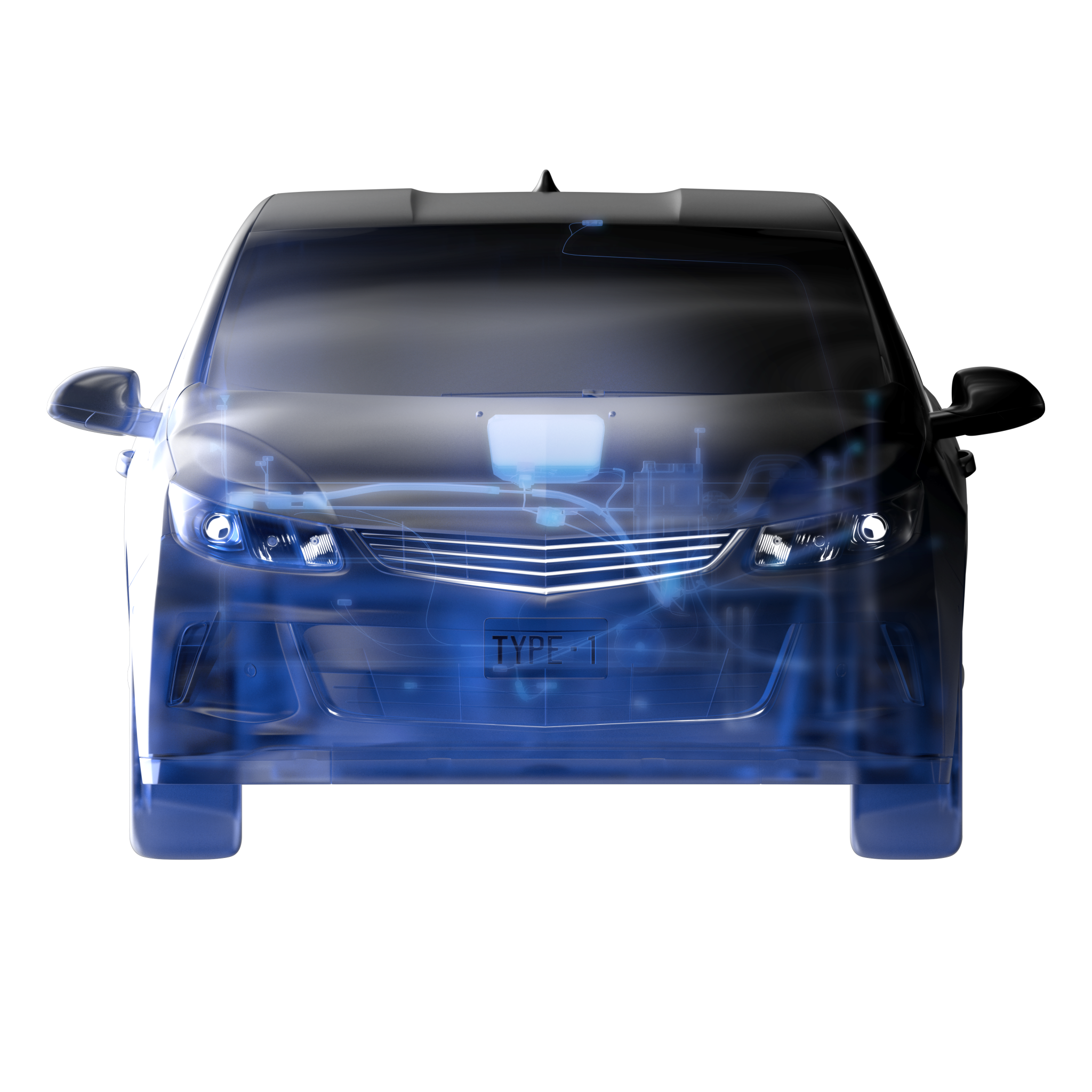
Virtualize connected vehicle systems, not just individual boards.
Test connected vehicle software across more of the stack.
Atlas helps software-defined vehicle (SDV) teams keep development and testing moving when hardware access is limited.
ECU software testing
Run production firmware on virtual ECUs and automate build, test, and execution.
Connected vehicle feature testing
Test how mobile apps, vehicle software, communications protocols, and dashboards interact for features such as unlock, temperature control, and status updates.
Vehicle system modeling
Model how connected apps, central compute, gateways, infotainment, driver assistance, and in-vehicle networks work together.
Automotive test tool integration
Connect virtual vehicle software into existing tools, including CAN-based test environments, so teams can test without rebuilding their process.
ADAS software testing
Run driver assistance workflows on virtual Arm-based systems to test planning, routing, and actuation logic earlier in development.
Integrate AI assistance into testing workflows.
Align with automotive safety and security requirements.
Atlas helps teams test earlier, reproduce issues consistently, and validate security-relevant behavior before late-stage hardware access limits what teams can test.
- ISO 26262: Functional safety for road vehicle electrical and electronic systems.
- ISO/SAE 21434: Cybersecurity engineering for road vehicles.
- ISO 21448 SOTIF: Safety of the intended functionality for road vehicles.
- Automotive SPICE: Automotive software process assessment and capability improvement.
- UN Regulation No. 155: Cybersecurity and cybersecurity management systems.
- UN Regulation No. 156: Software updates and software update management systems.

Automate and scale manual processes.
Atlas bridges the gap from automotive technology to IT native interfaces. REST APIs are the lingua franca of automation and web development. AWS hosting scales to meet engineering need. MCP servers enable agentic support in creating comprehensive test plans.
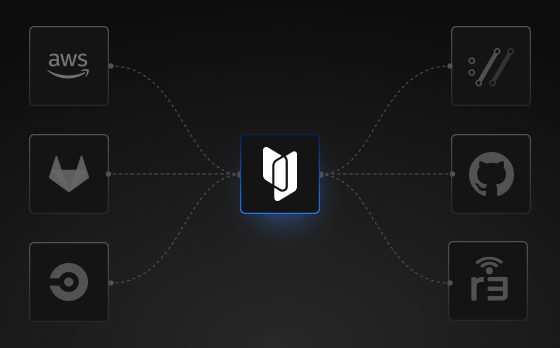
Connect virtual targets to the tools teams already use.
- AWS CodePipeline, AWS CodeBuild, AWS Lambda, and Amazon S3
- AI-assisted workflow automation
- Vector CANoe and dSPACE ControlDesk through SIL Kit
- CAN and GPIO inputs and outputs
- Jira and GitHub ticketing
- SOAFEE Open AD Kit
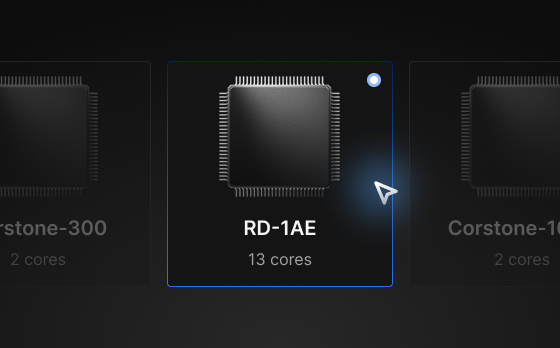
Run production software on virtualized Arm hardware models.
- Run software intended for the real hardware
- Model processors, sensors, peripherals, and device components
- Support development, testing, CI/CD, continuous testing, DevOps, and DevSecOps workflows
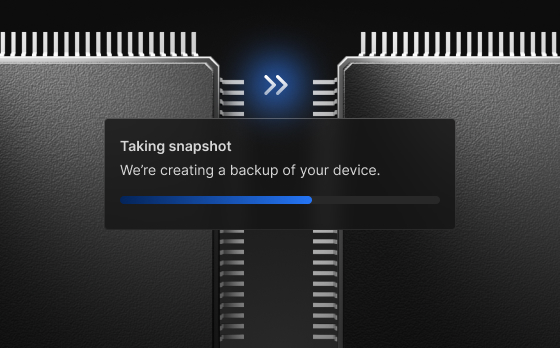
Give distributed teams the same target to test against.

Run testing where your teams work.
- Deploy in secure cloud environments for scalable testing
- Run on internal servers within data centers
- Use private AWS-based options where dedicated cloud environments are required
- Full support for isolated or air-gapped environments used by regulated teams
FAQ
Common questions automotive and embedded teams ask.
Yes. Atlas helps teams run and test software on virtual Arm-based systems before physical boards, test benches, prototypes, or silicon are broadly available. Teams can start earlier, reproduce issues more consistently, and reduce the amount of work waiting on physical hardware access.
No. Atlas complements physical testing by helping teams test more software with more comprehensive automation. Physical testing remains important, but it should not be the first time critical issues surface.
Atlas gives teams virtual targets for running software, reproducing failures, automating tests, and checking connected vehicle behavior earlier in the development cycle. Teams can test across virtual ECUs, automotive interactions, connected apps, gateways, dashboards, and other vehicle software components.
Atlas gives teams a virtual hardware target they can use when boards, benches, prototypes, or silicon are scarce, remote, fragile, or still under development. Teams can keep testing, debugging, and issue reproduction moving without waiting for the next available physical asset.
All Atlas interfaces are fully exposed via MCP servers enabling easy integration into the agentic framework of your choice for automation, testing, and extension. Extensive open–source extension examples prime your coding agent to extend Atlas to meet your needs.
Yes. Atlas is designed to support existing engineering workflows, including virtual hardware targets, AWS-based pipelines, SIL-kit based testing environments, issue tracking systems, and automotive test tools. Teams can bring virtual testing into the tools and processes they already use instead of rebuilding their workflow from scratch.
Teams can use Atlas to test ECU software, connected vehicle features, real-time control software, sensor interactions, driver assistance workflows, software update readiness, and other embedded software running on Arm-based systems.
Atlas helps teams test earlier, reproduce issues consistently, and validate security-relevant behavior across programs shaped by functional safety, automotive cybersecurity, software update management, and software quality requirements. This supports more structured testing before late-stage hardware access limits what teams can test.