


-
 Cellebrite Certified Operator and Cellebrite Certified Physical Analyst Bundle for inseyets5-Day | Intermediate/Advanced
 -
 Cellebrite Advanced Smartphone Analysis (CASA) for Inseyets5-Day | Advanced
 -
 Cellebrite Guardian FundamentalsTwo Hours | Entry
 -
 Cellebrite Inseyets Essentials Training Defense & Intelligence (CIET D&I)2-Days | Intermediate
 -
 Cellebrite Operator of Inseyets UFED (COIU)1/2-Day | Entry
 -
 Cellebrite Pathfinder Training (CPT)2-Day | Entry
 -
 Certified Evidence Repair Technician – Forensic (CERT-F)5-Day | Expert
 -
 Cellebrite Collector and Inspector Operator (CCIO)4-Day | Entry
 -
 Cellebrite Apple Forensic Fundamentals (CAFF)4-Day | Entry
 -
Cellebrite Academics
-
Share Your Achievement
-
Training to Accelerate the Full Potential of Pathfinder
-
 Cellebrite Mobile Forensic Fundamentals (CMFF)2-Day | Entry
 -
 Cellebrite Apple Intermediate Forensics (CAIF)3-Day | Intermediate
 -
 Cellebrite Windows Forensic Investigations (CWFI)Mobile Forensics
 -
 Cellebrite Apple Advanced Forensics (CAAF)3-Day | Advanced
 -
 Cellebrite Chip-Off Forensics Training (CCOF)5-Day | Expert
 -
 Cellebrite Reader1-Day | Entry
 -
 Cellebrite Advanced Video Analysis (CAVA)Mobile Forensics
 -
 Cellebrite Certified Mobile Examiner (CCME) for InseyetsCertification
Cellebrite Academics
Prepare students with job‑ready digital forensics skills aligned to industry certification.

Cellebrite Academics is our academic partnership program designed to help universities prepare students with practical, real-world digital forensics skills through structured curriculum, hands-on learning, and certification pathways.
Updated for the Fall 2026 academic year.
Program Overview

Who It’s For
Cellebrite Academics is designed for accredited academic institutions seeking to integrate industry‑relevant digital forensics training into their curriculum.

What’s Included
The program provides structured learning materials, instructional resources, and optional student certification pathways aligned to real‑world investigative workflows.

How It Works
Participation is offered through a formal academic partnership model designed to support consistent program delivery and long‑term collaboration.
Program Packages
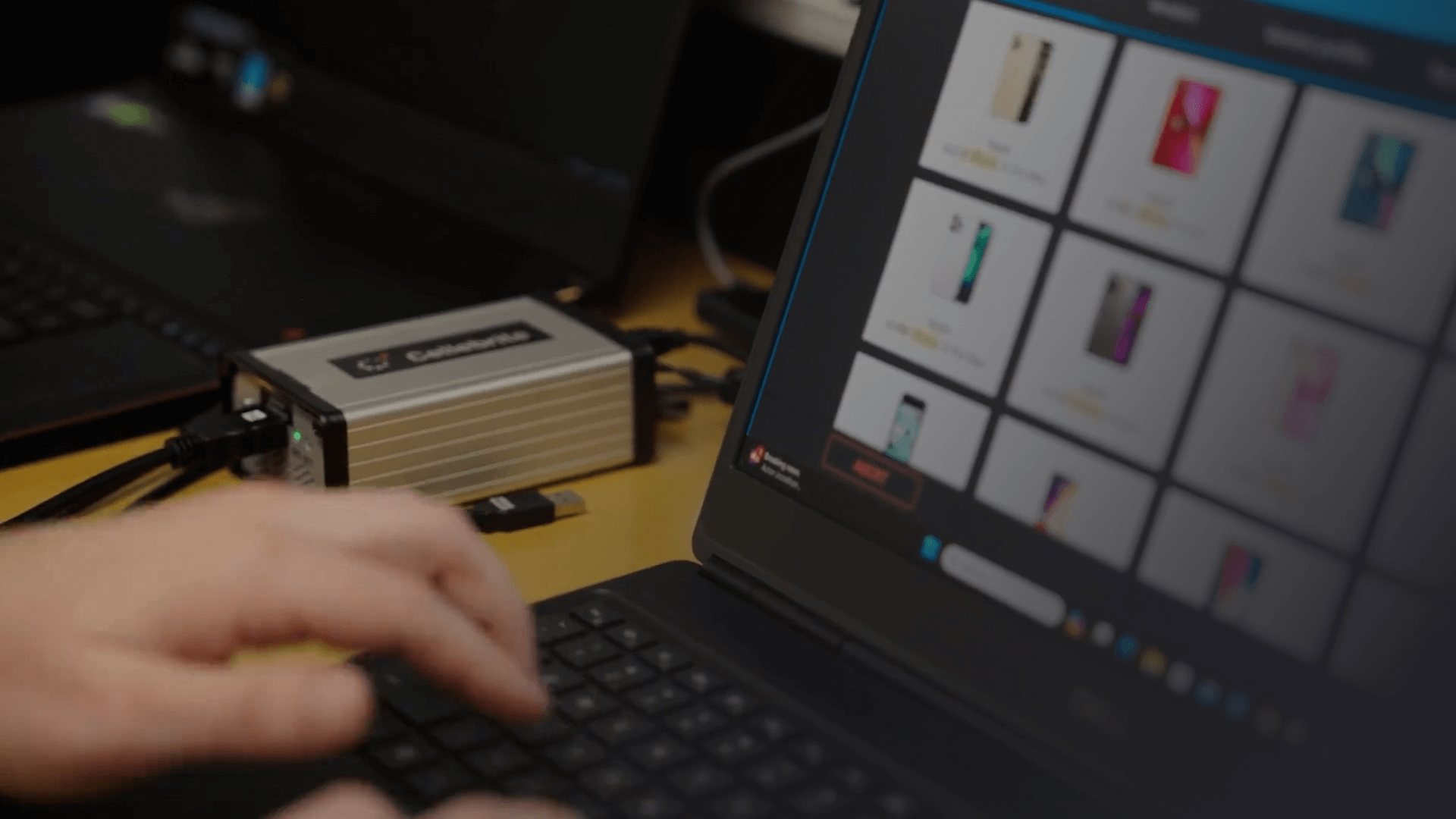
Inseyets.UFED Simulations and Inseyets.PA Licenses
Introduces students to mobile data extraction fundamentals, evidence handling concepts, and foundational investigative workflows.
Builds analytical skills for reviewing, interpreting, and reporting on mobile data using industry-recognized analysis techniques.

Digital Collector and Inspector Licenses
Introduces students to computer data extraction fundamentals, evidence handling concepts, and foundational investigative workflows across Windows and macOS systems.
Builds analytical skills for reviewing, interpreting, and reporting on computer data using industry‑recognized forensic analysis techniques.
Why Partner with Cellebrite?

Curriculum + Certification
Student-tailored coursework aligned to Cellebrite Certified Operator (CCO) for Inseyets and Cellebrite Certified Physical Analyst (CCPA) for Inseyets outcomes.
Real World Case Workflows
Learning content mirrors real investigative workflows—from intake through analysis and reporting—so students build practical skills, not just theory.

Academic Partnership Model
Dedicated support for faculty and administrators, with clear program structure, communication, and long-term collaboration.
FAQs for Universities & Program Administrators
What is Cellebrite Academics?
Cellebrite Academics is a paid academic partnership program designed to help universities prepare students with practical, real‑world digital forensics skills through structured curriculum, hands‑on learning, and certification‑aligned pathways.
Who is this program intended for?
Accredited universities and academic institutions offering digital forensics, cybersecurity, criminal justice, or related programs
Is Cellebrite Academics a paid program?
Yes. Participation is offered through a formal academic partnership agreement that includes program packages aligned to mobile and/or computer forensics instruction.
What does the institution receive as part of the program?
Institutions receive structured learning materials, instructor resources, hands‑on lab environments, and optional student certification pathways aligned to real investigative workflows.
How does this fit into an existing academic curriculum?
The program is designed to integrate into existing courses and degree programs, allowing institutions to enhance instruction without redesigning their entire curriculum.
Are there different program packages available?
Yes. Academic partners can choose program packages aligned to mobile forensics, computer forensics, or both, depending on their instructional goals. • The Mobile Forensics package includes UFED simulations and Inseyets Physical Analyzer to support hands‑on mobile investigation workflows. • The Computer Forensics package includes Digital Collector and Inspector to support computer‑based forensic instruction. This flexibility allows institutions to align the program with their curriculum focus while giving students practical, real‑world experience with industry‑relevant tools.
How does this program support workforce readiness?
Students gain hands‑on experience with industry‑recognized tools and investigative workflows used by professionals today. In addition, students can take Cellebrite certification exams as part of the program—allowing them to graduate with professional certifications already earned, strengthening their resumes and demonstrating job‑ready skills to employers.
How is Cellebrite Academics different from commercial training?
Cellebrite Academics is designed specifically for academic instruction, with structured curriculum, faculty‑ready materials, and semester‑based delivery. Commercial training is designed for working professionals and agencies.
Does Cellebrite provide academic credit or accreditation?
No. Academic credit, grading, and accreditation remain the responsibility of the institution.
How does an institution get started?
Institutions can request more information through the Cellebrite Academics page and speak with a Training Expert to discuss program fit and partnership options.
FAQs for Instructors & Faculty
Do instructors need prior Cellebrite experience?
No, but it is recommended. The program includes instructor-ready materials designed to support faculty delivery. That said, the Academic Program Partnership includes access for a single instructor to take the web-based CCO and CCPA training courses. Cellebrite strongly encourages instructors to pursue Cellebrite certifications (such as CCO and CCPA) to deepen their familiarity with the tools and workflows.
What instructional materials are provided?
Faculty receive structured learning materials, student guides, presentations, datasets, and hands‑on exercises aligned to real‑world investigative workflows.
How hands‑on is the curriculum?
The curriculum emphasizes practical learning, allowing students to complete realistic extraction and analysis workflows rather than theory‑only instruction.
Can instructors adapt the materials to their course structure?
Yes. Materials are flexible and can be tailored to fit semester‑based courses, lab sessions, or modular instruction.
Does the curriculum align to certification outcomes?
Yes. Coursework is aligned to Cellebrite certification pathways, helping students build skills that map directly to professional certifications.
Is instructor support available?
Yes. Academic partners receive dedicated program support to ensure smooth onboarding and consistent delivery.
FAQs for Students
What will I learn in a Cellebrite Academics course?
Cellebrite Academics does not replace your university’s coursework. Instruction is led by your professors and integrated into existing classes. Through the program, students gain access to Cellebrite tools and curriculum that allow them to practice practical digital forensics skills—such as extraction, analysis, and reporting—using workflows and techniques applied in real‑world investigative environments.
Is this hands‑on or theoretical learning?
This is hands‑on training focused on real‑world investigative workflows, not just theory.
Does this program help with certifications?
Yes. The curriculum aligns with Cellebrite certification pathways, allowing students to pursue professional certifications while enrolled.
Are certification exams included?
Certification exams are optional and purchased separately by students, depending on individual goals.
Do I need prior experience to participate?
No prior Cellebrite experience is required. Courses are structured to build skills progressively.
How does this help with future careers?
The program helps students build practical skills aligned with tools and workflows used by employers across law enforcement, government, and the private sector. In addition, students have the opportunity to earn Cellebrite professional certifications, allowing them to graduate with recognized credentials that validate their knowledge and hands‑on skills. These certifications strengthen resumes and help candidates stand out during job interviews by demonstrating real‑world, job‑ready experience.